Category: Miscellaneous
-
Dichotomous Key Assignment (part 2)
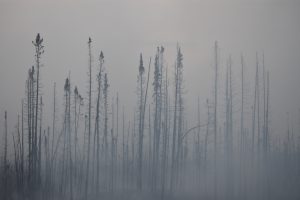
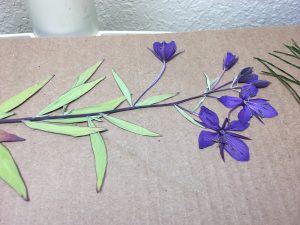
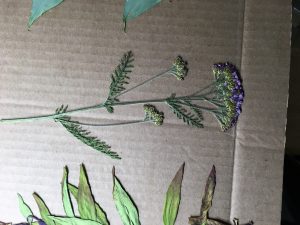
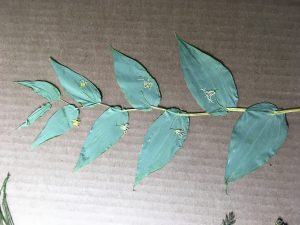
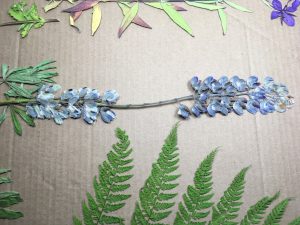
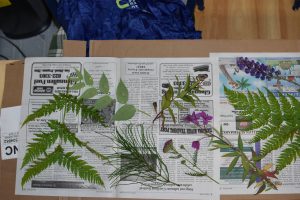
As per the instructions, I selected a fellow classmate’s (Jayme Moudy-Ferrier–well done, by the way) Dichotomous Key to identify the four samples. The hard work was already done for me by Jayme who identified the specimens before-hand. I googled the specific terms used by Jayme to conduct my search, and found many interesting facts along the way. Specimen 1 is known as a white spruce and is characterized by needles that are attached singly to each peg. The branchlets do not droop downward, and the cones produced by this tree are about 3inches long. This species is believed to have originated in central Alaska, and has spread southward. I concur that the first plant is the Picea glauca.
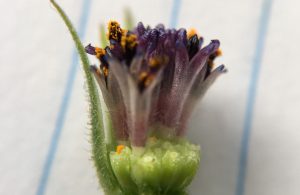
The second plant was harder for me to identify. It is very similar to the Pycnocarpa, a subspecies of Arabis hirsute that Jayme seemed to pick as a first choice, but there seem to be adaptations that may be specific to Alaska. The flowers in the sample have a more pronounced bell in their presentation, and the leaves are less robust than the images that I viewed when I googled the scientific names.
The third plant is definitely Anemones patens (thanks Jayme!). Every distinct feature is easily recognizable in the available images on Bing. The number of petals, the shape and arrangement of the leaves, and the tuft of filaments at its center all point to this being the correct identification of this plant. Perhaps the Ph levels in Alaskan soil are what produce the vibrant color in the sample on the class website.
Lastly, the fourth image is the Salix glauca (willow). Again, I think there are adaptations specific to the climate of Alaska that render the sample on the class website slightly different than the images that I viewed when I typed in the terms. I cannot take any credit for the discovery of these species due to Jayme’s hard work. I do thank her for the excellence of the Dichotomous key she produced, and I enjoyed following in her footsteps.
-
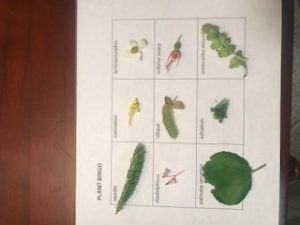
Bingo
What a great assignment! I really had fun trying to track down specimens that fit the criteria for the definitions. I’m not so sure how perfect my choices are, but I did my best 🙂
-
Dichotomous Key
A Plants that do not have/produce flowers plant 1
A’ Plants that have/produce flowers
B Flowers that do have/ produce petals plant
B’ Flowers that do not have/produce petals plant
C Plants that have/produce Purple Petals plant 3
C’ Plants that have/produce white petals plant 2
D plants with visible pistils or stamens
D’ plants that lack visible reproductive organs
E plants that produce/have small flowers plant
E’ plants that produce/ have large flowers -
CSD Dichotomus Key (I think)
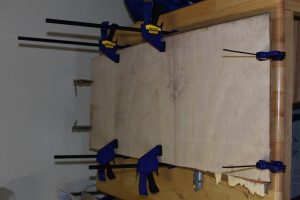
not done with note cards yet 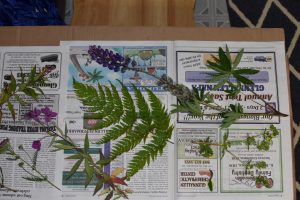
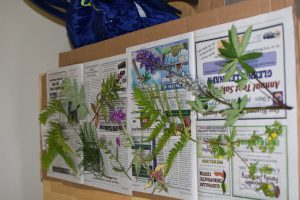
 1. Plant produces flowers
A Single flower produced per stem . . . . . . . . . . . . . . . . . . . . . . . . . Plant 3
a Multiple flowers produced per stem
B. Flowers contain petals . . . . . . . . . . . . . . . . . . . . . . . . . . . Plant 2
B1. Flowers do not contain petals (only stamens) . . . . . . . . . Plant 4
2. Plant does not produce flowers . . . . . . . . . . . . . . . . . . . . . . . . . . . . . . . Plant 1
Should work on the numbering I guess, but the concept is still there.
-
Dichotomous Key
Didn’t use a lot of technical terms, but this should still be useable.
A — Trees
>>>B – Tree with needles and cones
A1 — Not Trees
>>>B – Flowers with blue or white petals
>>>>>>C – Flowers with blue petals
>>>>>>C – Flowers with white petals
>>>B1 – Flowers with lots of pistils(?)
>>>>>>C – Pubescent leaves
-
Local Plant Symposium-Nome, Alaska
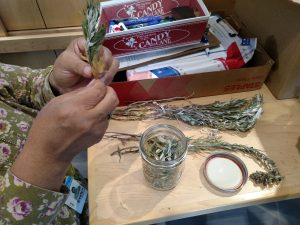
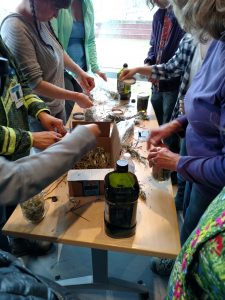
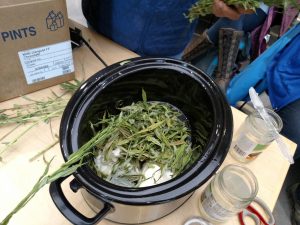
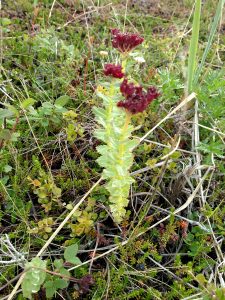
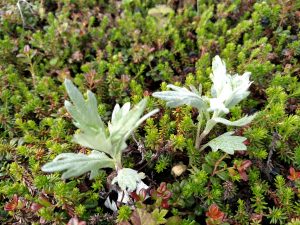
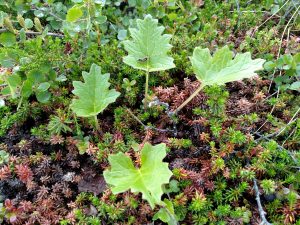
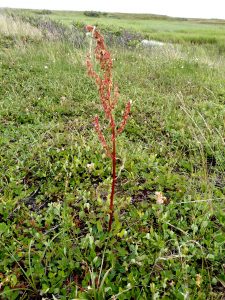
Hello Everyone, I wanted to share some of my week in Nome, Alaska with you. I attended the Bering Straits Region, Local Plant Symposium, hosted by Norton Sound Health Corporation on June 26 & 27th. The Health Promotion program I work in, offers Special Project Mini grants to Tribal Health Organizations to support a local Alaska Plants as Food & Medicine symposium in their region. Local community members, tribal healers, Elders, children, educators, Nurse Practitioners, Registered Dietitians, and students were among the many participants. The group made healing salves, engaged in discussion to share knowledge, ate wild greens and seal oil salads, engaged in a 2 hour plant walk, and harvested local plants.
Below are some photos from the symposium and a few plant walk pictures.
-
Craig Intro, better late than never…
Hey all; My name is Craig, and I live in Valdez, while attending PWSC and UAA mostly online working towards a Bachelors in Occupational Safety and Health. I have been to most of Alaska since moving here twelve years ago and love being outside in it, but know little about the plants, and am looking forward to learning much more.
Good luck to everyone, and get outside!
CSD