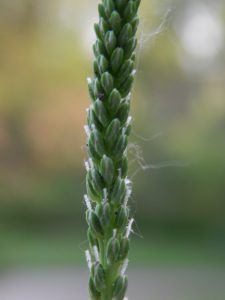
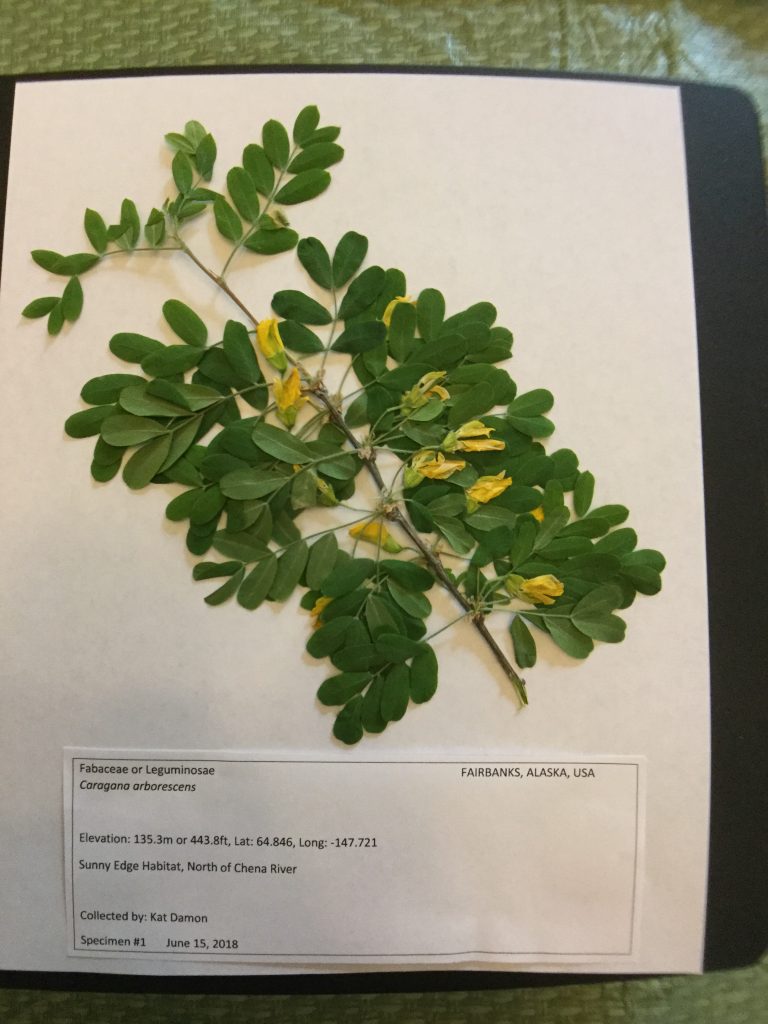
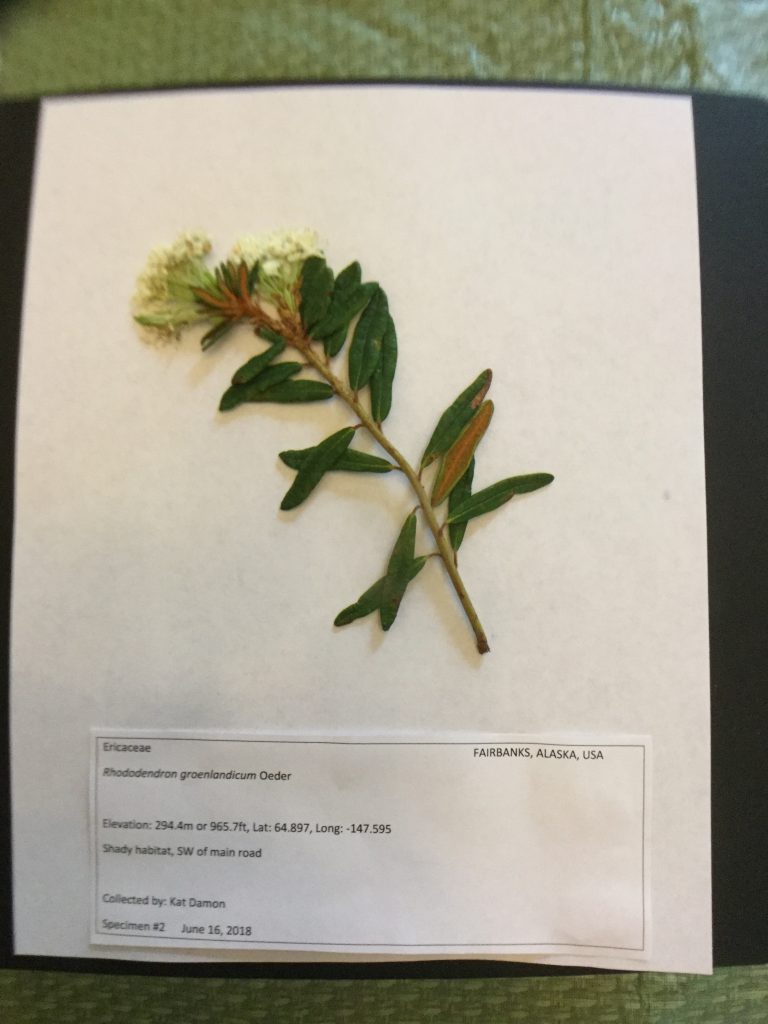
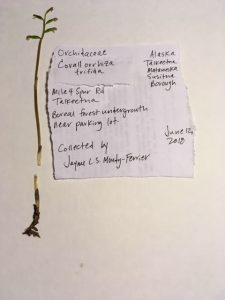
This was my first time pressing plants. It was a neat experience collecting these and then pressing them to store for future reference. I like the idea of having a physical piece of them instead of just taking a photo. I realize I could have grabbed more of the plant to preserve, but this is what I ended up with.
To be honest i’m not sure if i did this assignment correctly, but i did a fair job of using dichotomous keys to ID the plants assigned in the bins…though the Salix is most likely wrong!
Hello-
My previous introduction didn’t show up. Lost in cyberspace somewhere. I was posting from Namibia with very limited WiFi and cell. I work as an environmental analyst and live in Eagle River. I was so excited to see this class, it’s a great way to refresh plant ID skills and learn how new technology is being adapted for the plant ID world. For work I do wetland delineations which require plant IDs, and personally I love wild sourced foods so am always trying to find new edible and medicinal herbs. Excited to work with you all! And I am in Germany until Tuesday so not sure I will have my pressed plants or observations posted until later next week.
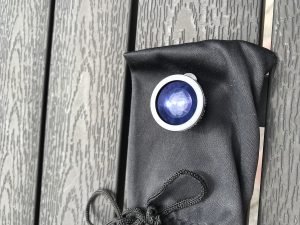
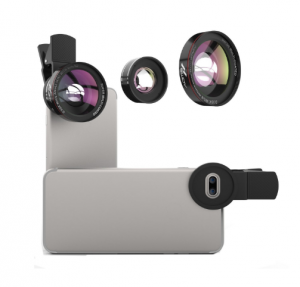
I’m using a macro lense from amazon that links to my IPhone. I think I may also order the usb microscope, that looks really handy!
Hello, my name is Erica McCall Valentine. My apologies for starting this class a wee-bit late. I wear a number of “hats” and over the course of much of last week I was attending to a doula client. Yes, you read that right, I said “much of last week”. The woman I was assisting was active labor for three days so I was focused on her instead of this class. Supporting women in pregancy, labor and delivery, and breastfeeding isn’t my full-time job. I’m also a social scientist focused on contemporary uses of subsistence (wild) foods and a (sometimes) adjuct instructor for the UAF ethnobotany (EBOT) program. My interest in plants began when I first moved to Alaska at the age of 14. That first summer up here I recieved Verna Pratt’s “Alaska Wildflowers” guidebook as a birthday present. I spent a lot of time in the woods around our new house in Palmer, Alaska, and this book was my constant companion. Over the years, my interest in plants continued to grow. Not only do we – my family – harvest and use wild plants, my work also touches on human use of plants as food and medicine. Currently, my husband and I live in Fairbanks, Alaska, with our two kids who are 13 and 10. Over the years, we’ve lived in a number of communities throughout Alaska – Palmer, Fairbanks (twice), Kodiak (twice), Cordova, Girdwood, and Talkeetna (my husband’s hometown- Hi Jayme!!). I’m taking this class because I want to know more about the plants that the people I work with use, and as an adjunct instructor for the EBOT program I want to know what the EBOT students are learning as well. Thanks for the opportunity to introduce myself. I look forward to learning more about and from each of you as this class continues.
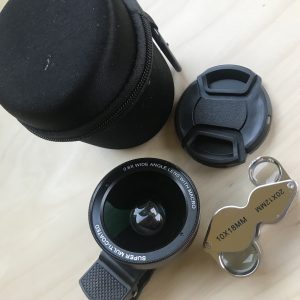
My macrolens set up and loupe to aid in closer plant inspections
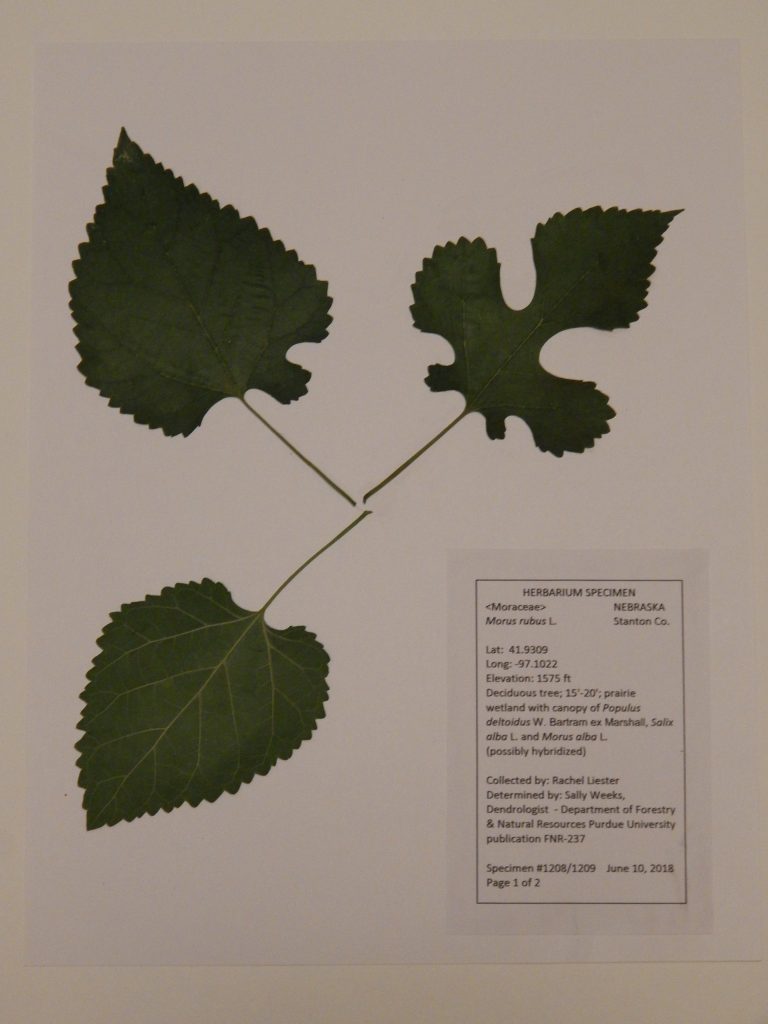
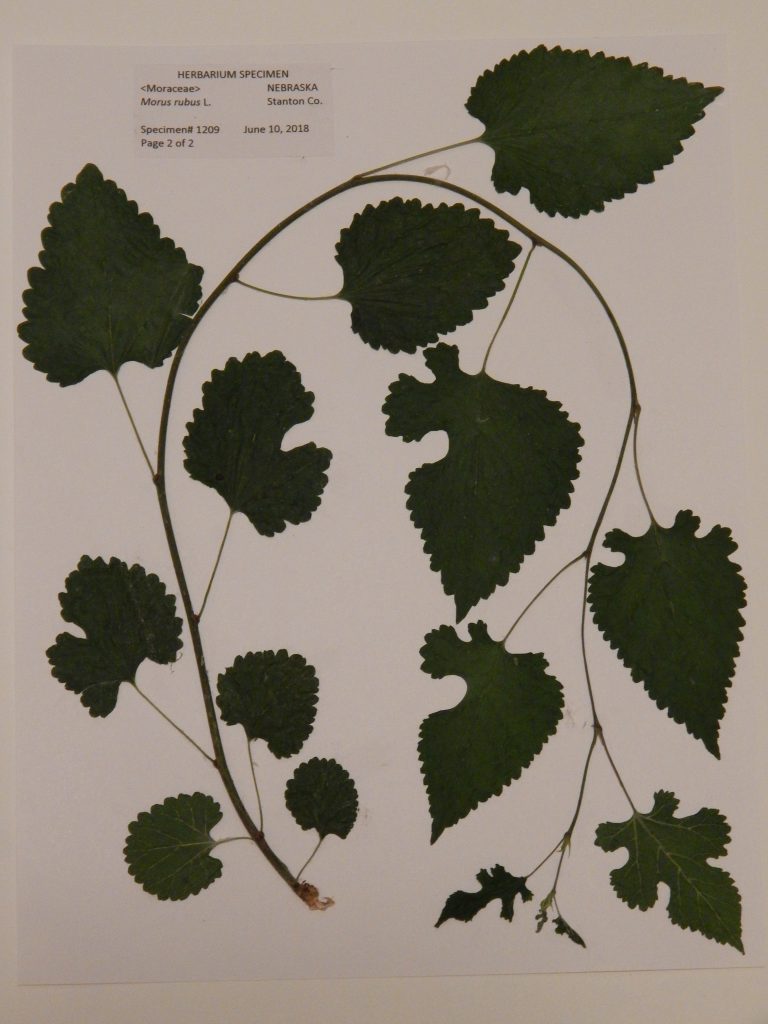
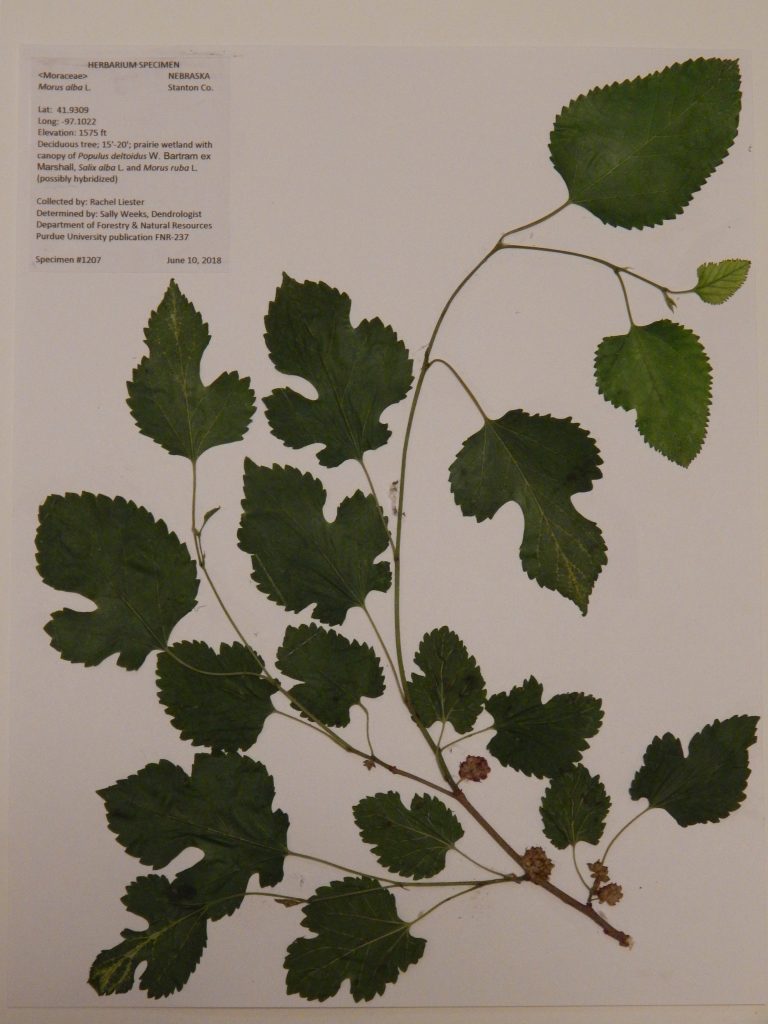
The herbarium specimens below are of two species of mulberry trees growing here. According to Sally Weeks, dendrologist at Purdue University, red mulberry (Morus ruba L.) is native to North American and white mulberry (Morus alba L.) is an invasive from Asia brought over in the 1600’s to start a silk industry here, which as history has shown, failed.
I’m interested in these trees because M. alba is used in Traditional Chinese Medicine as the preferred species. I didn’t realize we had M. alba until a few years ago and I’m still learning about identification and uses of them. In addition to identification differences, like the elm trees (Ulmus spp.) here, the mulberry trees (Morus spp.) have hybridized.
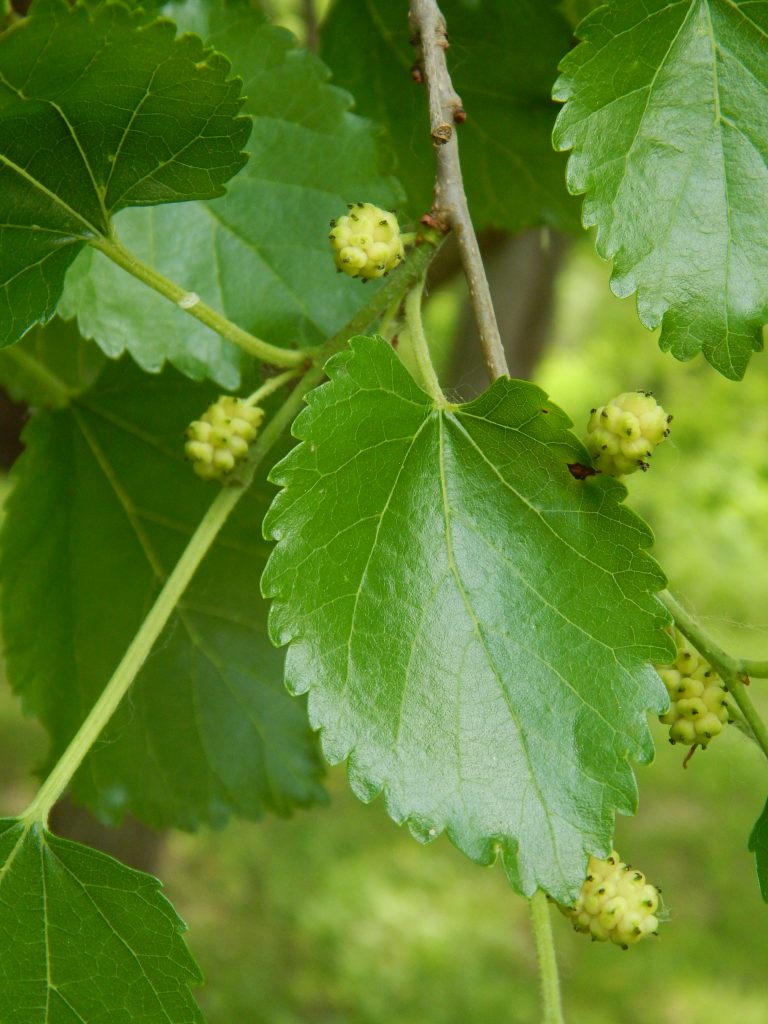
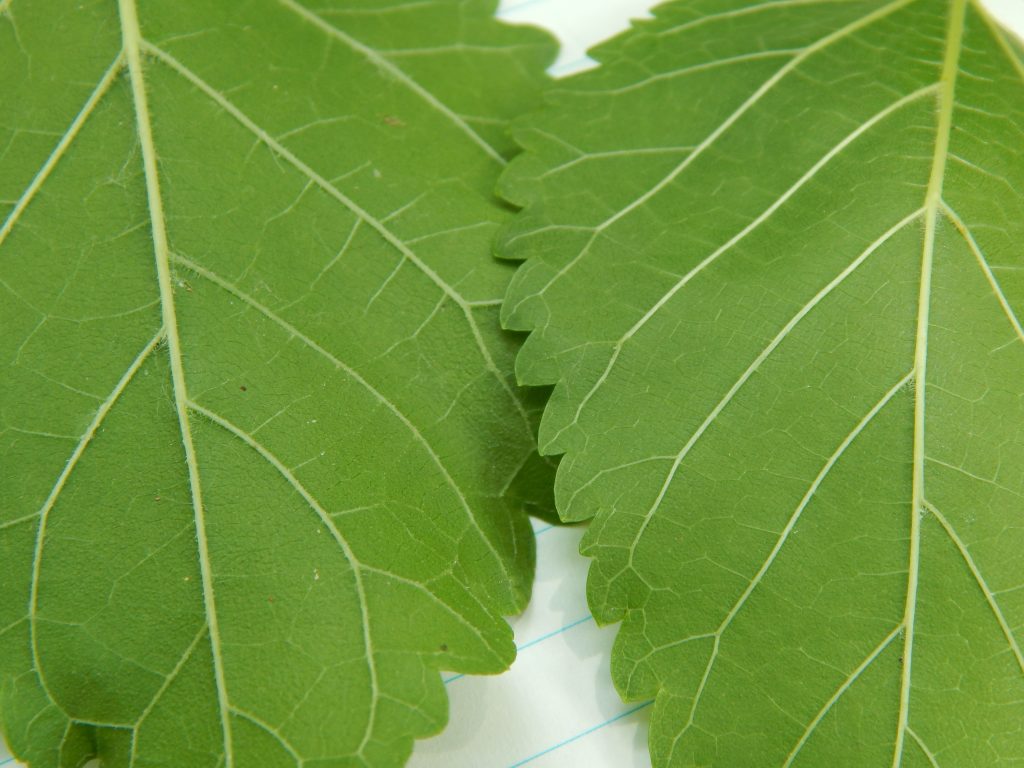
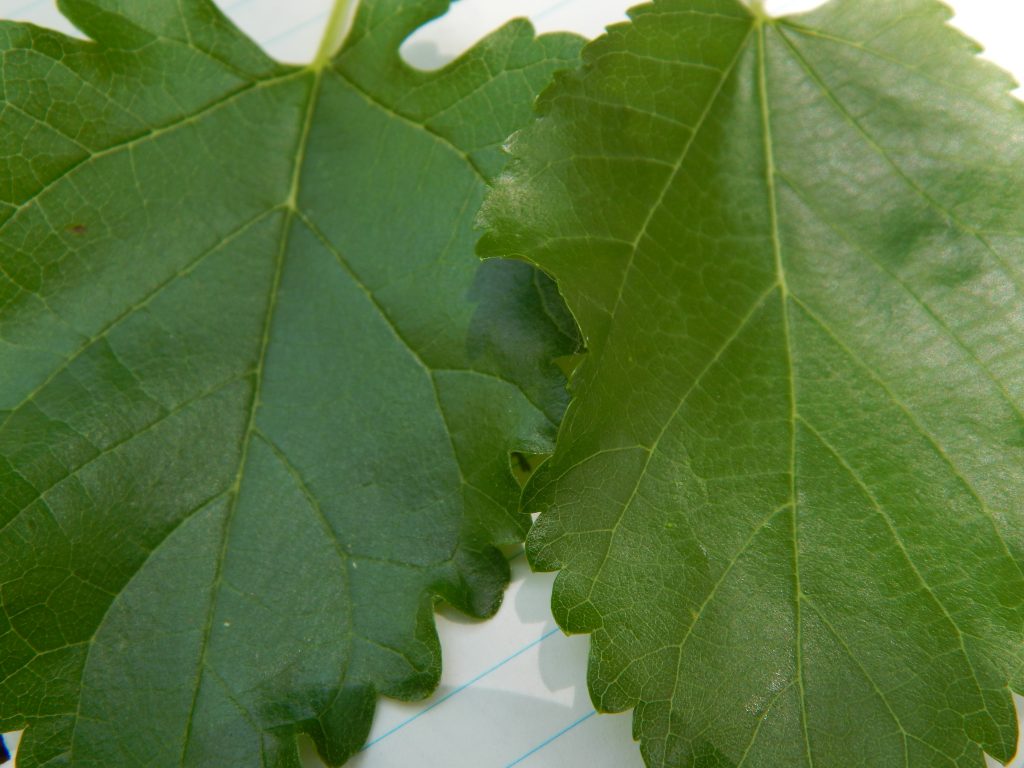
Unlike the name implies, M. alba can have white, red or purple berries (multiple accessory fruit ) I recently learned to tell them apart by their leaves. White mulberry has glabrous, shiny leaves and red mulberry has leaves that are adaxial scabrous and abaxial pubescent. The midvein of M. alba is usually more prominent than M. ruba and the serrate margins of M. alba are usually more rounded than M. ruba. The leaves of both species have three shapes on the same tree – entire, single lobed (mitten) and three-lobed.
Herbarium Specimen – leaf variation of Morus ruba L.Herbarium specimen – Morus ruba L.Herbarium specimen – Morus alba L.
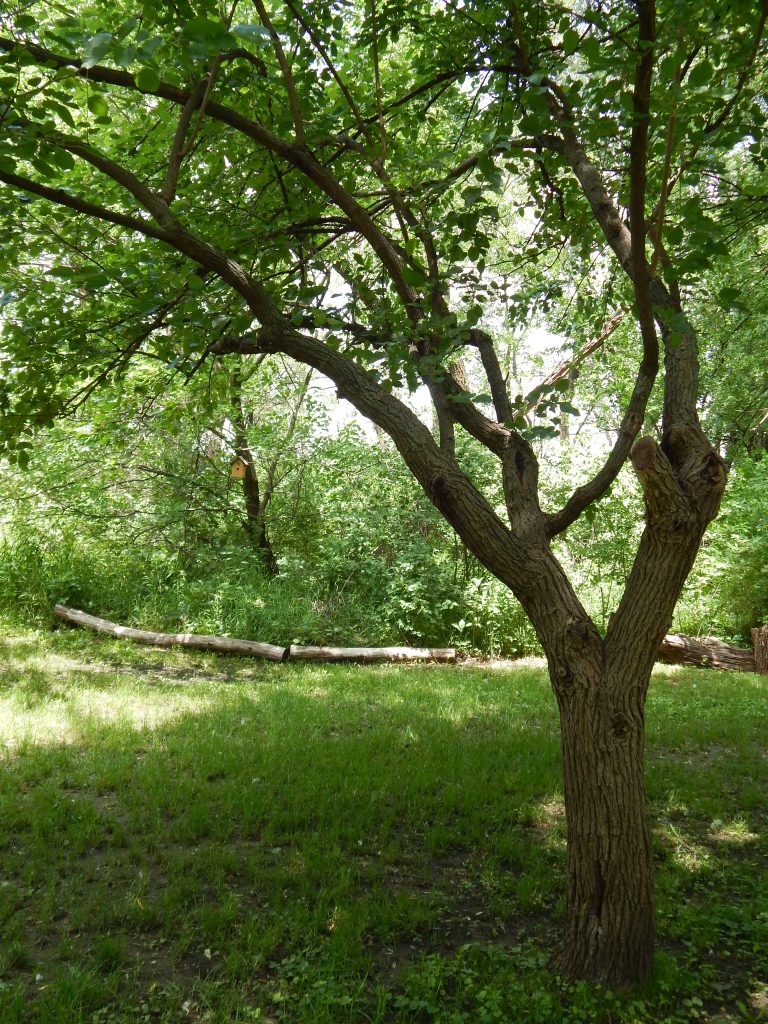
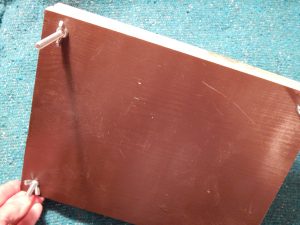
Along with the herbarium specimens, I’ve included photos of the M. alba tree from which the specimens were taken, comparison photos of the leaves of both M. alba and M. ruba and photos of a plant press I made for teaching plant science to Boy Scouts and my usual plant press.
Morus alba L. (white mulberry) – wetland habitat
Morus alba L. – leaf and fruit
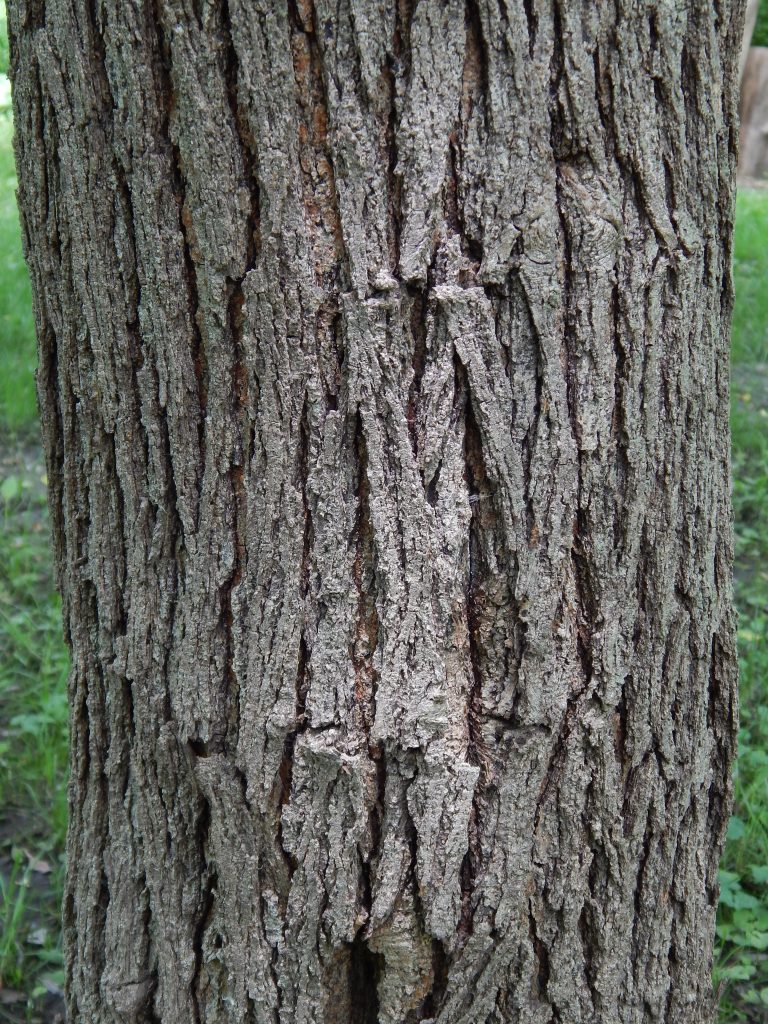
Morus alba L. – barkM. alba right; M. ruba left – abaxial viewM. alba right; M.ruba left – adaxial view
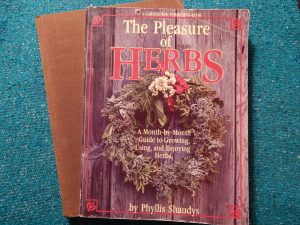
Plant press made from 1″ X 12″ plywood with bolts.What I usually use for pressing plants – a stack of big herb books with newsprint-type paper.
Hello All – I’m Carrie Aronson from Fairbanks, AK. I’ve lived here since I was a small child and have decided to make it my home as an adult. I graduated with a degree in business in 2008. I currently work at the University and run a small jewelry design company – I do a lot of work in silver but also work in gold upon request. I sell at various art fairs and bazaars around the state, and I have my work in a few galleris. My partner and I recently started a small peony farm here in the interior, we’ve been adding about 300-400 plants to the farm annually and have 2 more seasons of planting to go, our goal is to have 12-1400 plants when it’s finished. It’s a small operation compared to others but we’re excited to be part of the Alaska Peony industry. Our first set will be harvestable the year the final set goes in. The farm project has increased my curiousity of local Alaskan flora, I would love to recognize plants and know what they are… as well as be able to talk about them. We spend a significant amount of time in the Chitina area throughout the summer, I’m always surprised to see the differences between the Chitina area and Fairbanks. Throughout the class I’ll be sharring images from both locations. I’ll be using my iphone and the recomended lense kit during the class. I plan to make the homemade stand for the phone and macro lense that was discussed in the video. It seems like a great and simple solution! I’m excited to be taking this class and learning with everyone here, it will be so fun to see snapshots of Alaska via the inaturalist photos we all submit.
Hello from the Kenai. My name is Melissa Tuttle, I am 52 years old and just a few credits away from my BS in Environment and Society. I am lucky enough to live on the banks of Bishop Creek deep in the woods of Nikiski. I have always enjoyed knowing what plant it is that I am looking at, I have a stack of beat up books that join me on my hikes who are kind enough to let me know what kind of mushroom. or flower or tree I am looking at. I am excited to be taking this class an hope to increase my knowledge of the plants around me. Amazon has already sent me my micro lens and I am waiting on the Opti-lens for a microscope option.
I forgot to post in my introduction what equipment I’ll be using for this class. I’m old-school and have had a smart phone for only a few months and hardly ever take photos with it. I purchased the macro lens and have tried using it with my phone, but find it awkward and I get motion sickness using it. So, I’ve decided to use my Nikon L280 camera for the photos. I’ve been taking photos with a Nikon camera since 1980 and it just feels more comfortable. Plus, the close-up magnification seems to be just as good as the macro lens, as long as I have enough light to give me a fast shutter speed and no wind (as I discovered when trying to get a photo of plantain seeds.)
I purchased the magnifying glasses for working with specimens. They seem to work good and even fit over my glasses. I like the hands-free capability they give me.
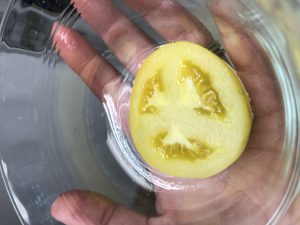
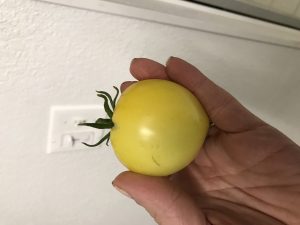
My name is Bridgette Reynolds and live here in the Sitka. I am a teacher (Science and Health) at Blatchley Middle School. I spend my summers juggling my loves of gardening, commercial fishing, and Clayton, my 18-month-old. I spend extensive time hunting/gathering/gardening with my family and I am familiar with local (edible) flora, fungus, and algae. I get to focus more on gardening this year because I will only be commercial fishing with my husband for 3 weeks. I am being overly ambitious and have planted some extra early corn (pop and sweet) in my low/high tunnels. I love my gardening and will spends hours with Clay working in the garden. Today we got our first ripe tomato from our greenhouse. Olga’s yellow chicken from the seed trust. It was delicious!
 I have always enjoyed knowing what plant it is that I am looking at, I have a stack of beat up books that join me on my hikes who are kind enough to let me know what kind of mushroom. or flower or tree I am looking at. I am excited to be taking this class an hope to increase my knowledge of the plants around me. Amazon has already sent me my micro lens and I am waiting on the Opti-lens for a microscope option.