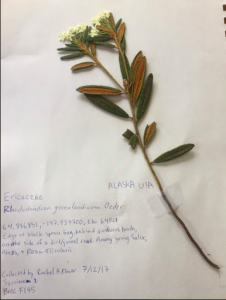
My first herbarium specimen, pressed earlier this week.
I chose to focus on just one feature present in the four bins. (Thank you, https://northernwoodlands.org/articles/article/needles-leaves). And that was plenty. It’s a bit of a logic puzzle. It took me a long time to think my way through labelling the choices A/A1—F in the second version I wrote. Still not sure if it flows; I think it does.
I have used dichotomous keys to identify mushrooms. They are definitely easier to use than create.
ps. 21 Types of Hairiness or Fuzziness, a fun list at https://www2.palomar.edu/users/warmstrong/termlf2.htm helped me with the word “lanate”.
Having very little experience with dichotomous keys and only a little experience with the proper names of plant pieces and parts, I struggled with this assignment and still am not sure what I’m doing. Though I’m familiar with some plant parts and use those for identification, the photos in the bins didn’t always have those parts. I was also confused by the sizes and other plants in the photos and even started keying out the compound leaves of the background plant in Bin 2 before I realized it wasn’t part of the specimen plant. This assignment took hours upon hours and included a 200 mile round-trip drive to get help from Rebecca, although much of the time I stared at the photos without a clue as to where to start. I’m still just stumbling around with the terminology – the struggle is real 😉 My first drafts of these dichotomous keys were using common words I could easily understand to describe the parts. Then I used the Harris & Harris book to find the correct (hopefully) terminology.
EDIT: After learning from Steffi that the assignment was to use the Bins to make a simple dichotomous key: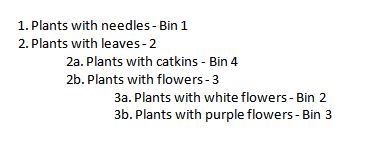


I went flower hunting last night and I must have found at least 20 different varieties of flower /at least/ on UAF’s campus! What an enlightening and fun experience. One of my favorite flowers is pictured, pressed. Lonicera tatarica, an invasive honeysuckle originally native to Siberia. I think it is a shrub with amazingly beautiful flowers. Also pictured are Vaccinium vitis-idaea a.k.a the low-bush cranberry a.k.a lingonberry flowers. The last specimen in this post is Campinula rotundifolia, Bluebells of Scotland. (At least, I hope they are the correct species I have described them as, there seem to be many bluebell/harebell varieties, but the “Scotland” variety was the one that appeared most often in the searches for blue flowers of Interior Alaska.)
I struggled with this assignment too. I’m not sure how technical it is suppose to be and ended up spending a lot of time trying to find the scientific names of each one and this is what I have:
I have my daughter’s little plant press so I am going to press little plants! More to come … they need another day or so.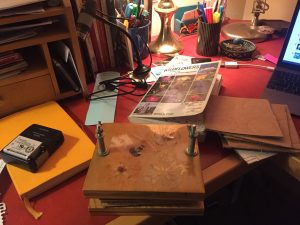
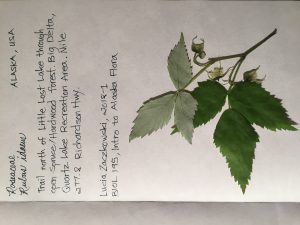
This assignment was pretty interesting and challenging (for me) overall. I’m still getting used to the vocabulary, so this took longer than expected, specially when I was trying to understand the Hulten Master Dichotomous Key to identify the plants from the bins. It helped a lot to find and use pictures along with the descriptions. I found that even when I wasn’t sure what the name of something was, comparing it to a picture really helped in figuring it out on my own. Anyways, I used the dichotomous key video tutorial as a guideline for mapping out my key, in addition to the violet dichotomous key from the practice exercises. Here’s what I came up with:
A. Plant Woody- B
B. Needles, branchlets glabrous; cones 3-6 cm long……………………………………. 1) Picea glauca
A’ Plant Non-woody- C
C. Flowers with petals present- D
C’ Flowers with petals lacking- E
D. Petals white; 4 small petals; pubescent pedicels and stems………………………… 2) Arabis divaricarpa
D’ Petals purple; 6 large petals; pubescent stems; many stamen……………………. 3) Anemone patens var. multifida
E. Flowers arranged in catkins; young pubescent capsules; yellow stamens……. 4) Salix bebbiana
I forgot to add that I collected both of these on the 17th, I did have some collected earlier in the week but they were destroyed by my two bulldogs.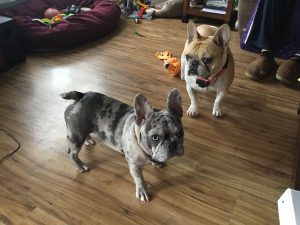
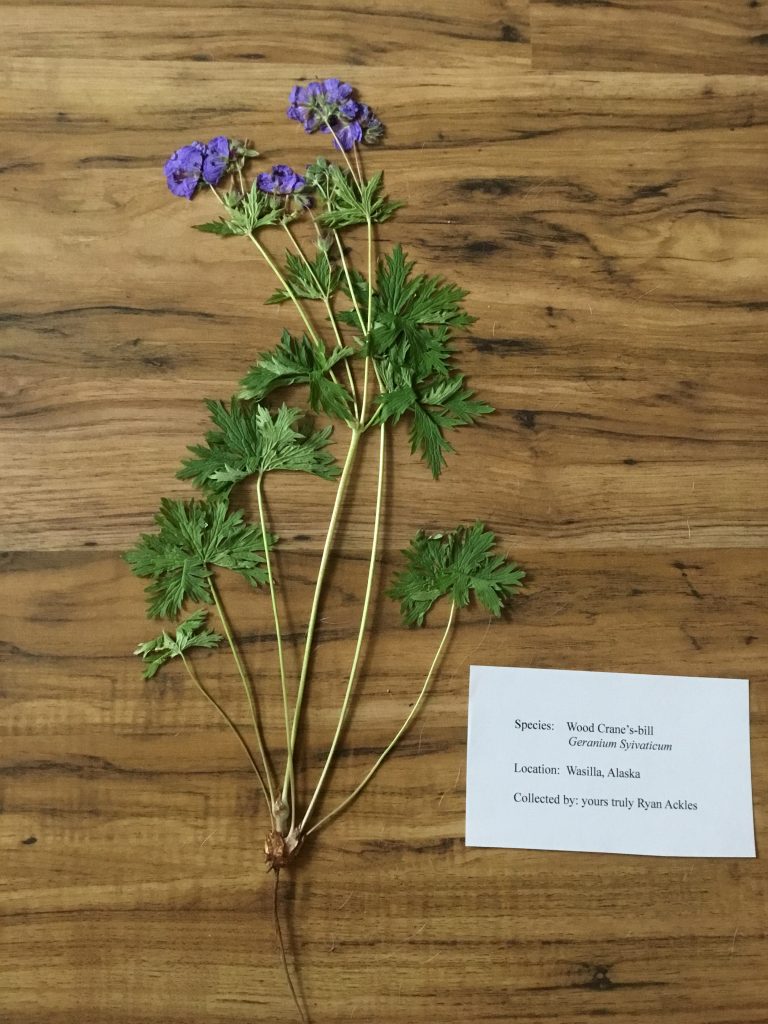
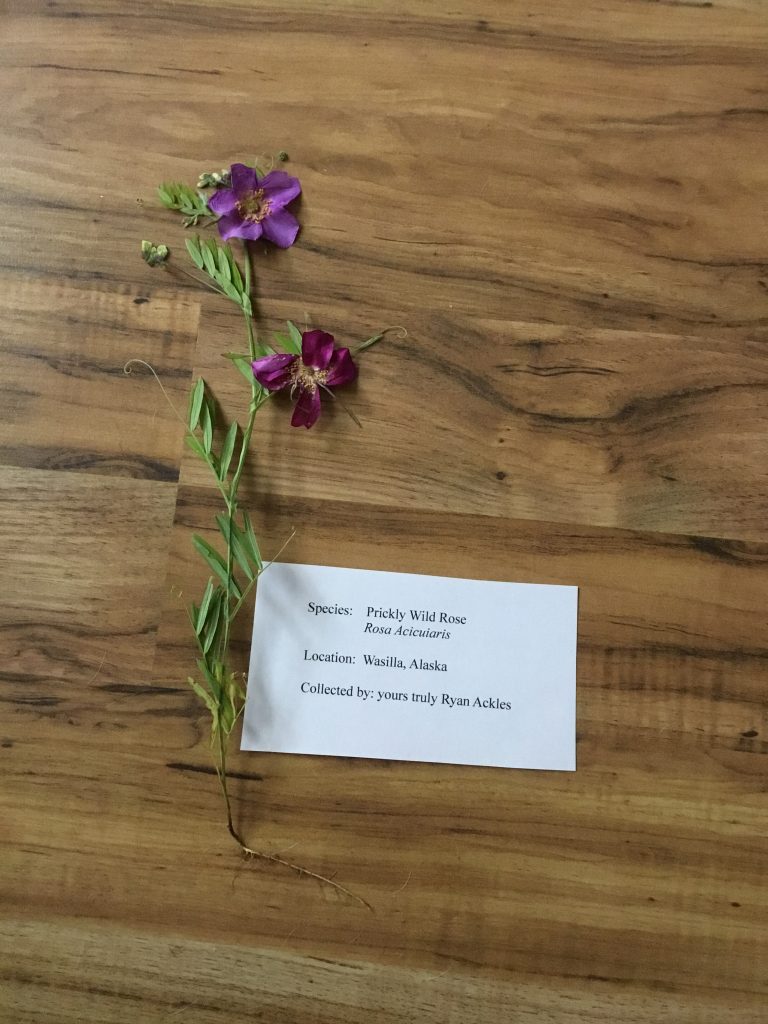
So I have to say this is the first class I am legitimately worried about failing because I feel like I’m lost. I understood the LEGO example no problem, I get the vocabulary terms, but somewhere combining the two it is like I’m back at square one. I could even figure out how to identify all the bins. So if anyone can take pity on me an post some advice to help me out I would greatly appreciate it.
Did the best I could, lots of uncertainty but a lot of fun trying. I think I got 2 of the 4 right.