Hello Botanical Friends!
I’m an ethnobotany student and at the end of this summer- I will be a certified ethnobotanist.
I have lived in the suburbs, rural areas, and cities- nationally and internationally. I learned to love at times being a naturalist, other times a pragmatist and many times just simply adapting.
The Ethnobotany program has validated for me a deep belief that the place where culture and science – (most specifically botany/environment) meet is a place where health thrives and science grows.
I find it energizing to learn about native flora, especially as used by various cultures. I’m very excited to take Alaska Flora and do a deep dive into my local botanicals as well. Likewise, it is critical to understand the context of the uses and ecosystems as they relate to social, cultural and economic importance. Ethnobotany is the centuries old tradition of Indigenous cultures around the world respecting, supporting and nurturing the interconnected relationship between people, plants and animals. It is about the understanding that shared environments promote optimal health. This is now finally recognized by the scientific community as “One Health.”
I hope to be able to adapt these lessons on a larger scale that I can transfer to city planning– accomplishing sustainable climate & culturally friendly universal trends that can be incorporated on individual and greater levels. I want to reunite with my love of natural plants and ecosystems while engaging on an intellectual level but mostly appreciating people and living beings w/instinct and common sense on a social, ecological, culturally sensitive/relevant level that will also provide insight into basic economic community insights.
While my passion for plants is primarily around the medicinal use, I’m hoping to always broaden that view. I’m looking to share my understanding of the socio-economic cultural and ecological connections on many levels from basic necessities to adornments/enhancements, transportation, infrastructure and more. I want to utilize the various methodologies to document individual studies and their connection/relativity to each other where appropriate and approved by the cultures sharing their knowledge and resources.
But I’m especially excited to learn from each person in this course- everyone is so unique. The material is amazing and I have no doubt meeting everyone in person during field study will be awe-inspiring.
Category: Introductions
-
Introduction
-
Sara’s Introduction
Hello fellow flora enthusiasts! I moved to Fairbanks last August from Georgia and have been fascinated with the plant and animal life in the interior since moving here. I work as a freelance illustrator, mostly creating educational work for SciComm, museums, and children’s books on a wide variety of topics including wildlife, archaeology, and astronomy.
I love the large variety of moss and lichens here in a beautiful rainbow of colors. I also love wildflowers and have been very excited to see them popping up all over the place in the last week. The high prevalence of birch has also been fascinating to me, its so visually striking, especially in the fall! Additionally, I keep a small indoor garden of herbs and greens in the winter. I expand this to a larger container garden of mostly veggies and berries during the summer. I’m hoping to expand my knowledge of plant life here in Alaska to enrich my time spent outdoors (I do a lot of hiking and camping) and allow me to better understand the anatomy of plants when I draw them. I look forward to learning with you all!
For reference I’ve got the Easy-Marco lens for my smartphone as I thought it would be the easiest one to have on me while hiking. I did some tests with it on some objects at home and it does remarkably well. I’m planning to prop it up between two books for marco shots during dissection.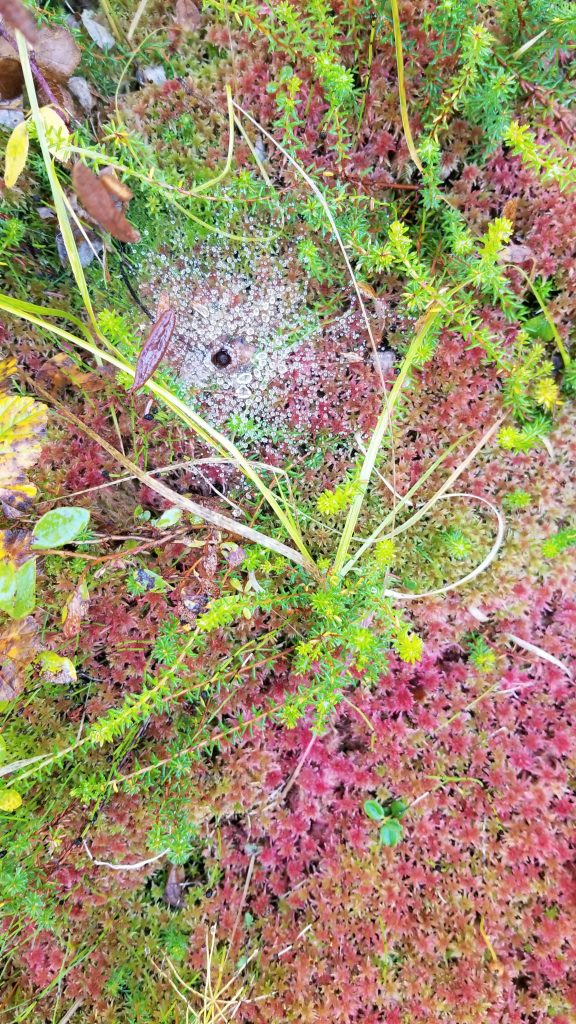

-
Oona’s Introduction
Hello! I am so looking forward to experiencing this online flora adventure with you all.
My name is Oona. I grew up in Northern Ontario, Canada and have lived in Anchorage since 2002.
I work as a Landscape Architect and I have wanted to revisit botany for some time now.From an early age, flowers and plants delighted me and learning their names satisfied my curiosity and fed my enthusiasm. When I came to live in Alaska, I was completely smitten by alpine and meadow plants I encountered; some similar, most completely different from the areas where I grew up. Oh, and the berries!
I love how you refer to learning botanical terminology like learning a new language. Using botanical language is challenging for me and while I can interpret botanical references in books, I still hesitate to use it. Gaining proficiency in this language will be my main goal for this class.
I’m happiest in my garden, or walking with my dog and kids in the woods or in the mountains exploring the seasons.
My favourite plants change all the time. Right now, Mertensia paniculata – Alaska Bluebells jumps to mind because it is having it’s moment!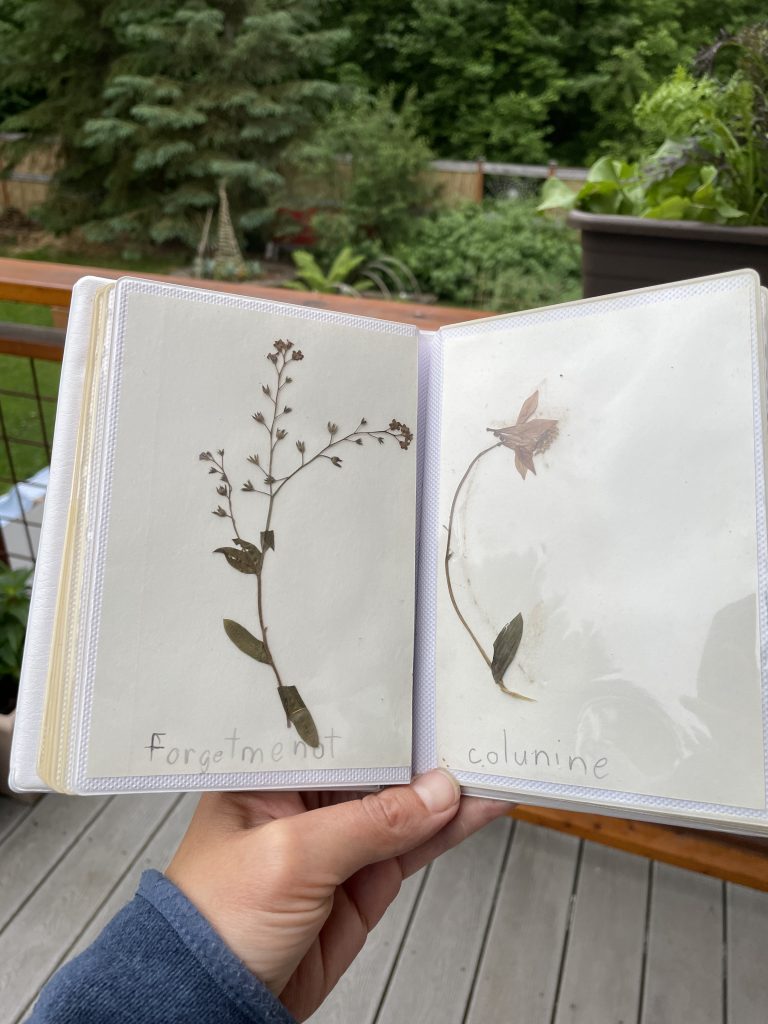
I made this wildflower album made with my grandmother. 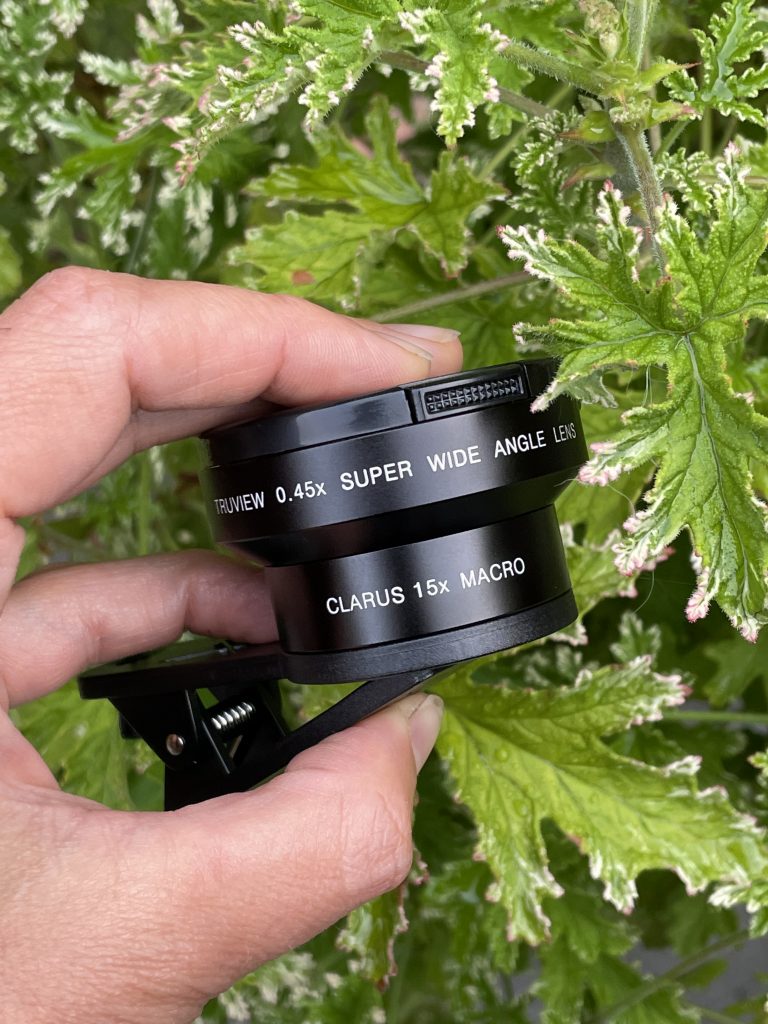
I have a Smartphone and a Macro-lens Attachment 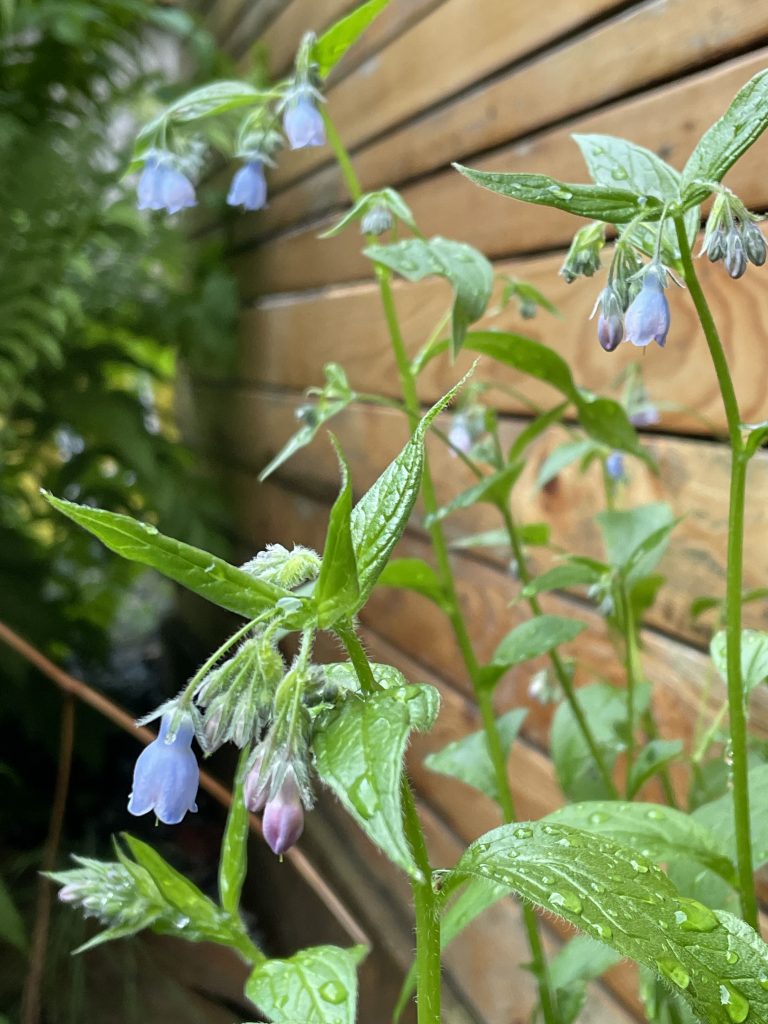
Mertensia paniculata – Alaska Bluebells -
Hello fellow flora learners, I am Diane.
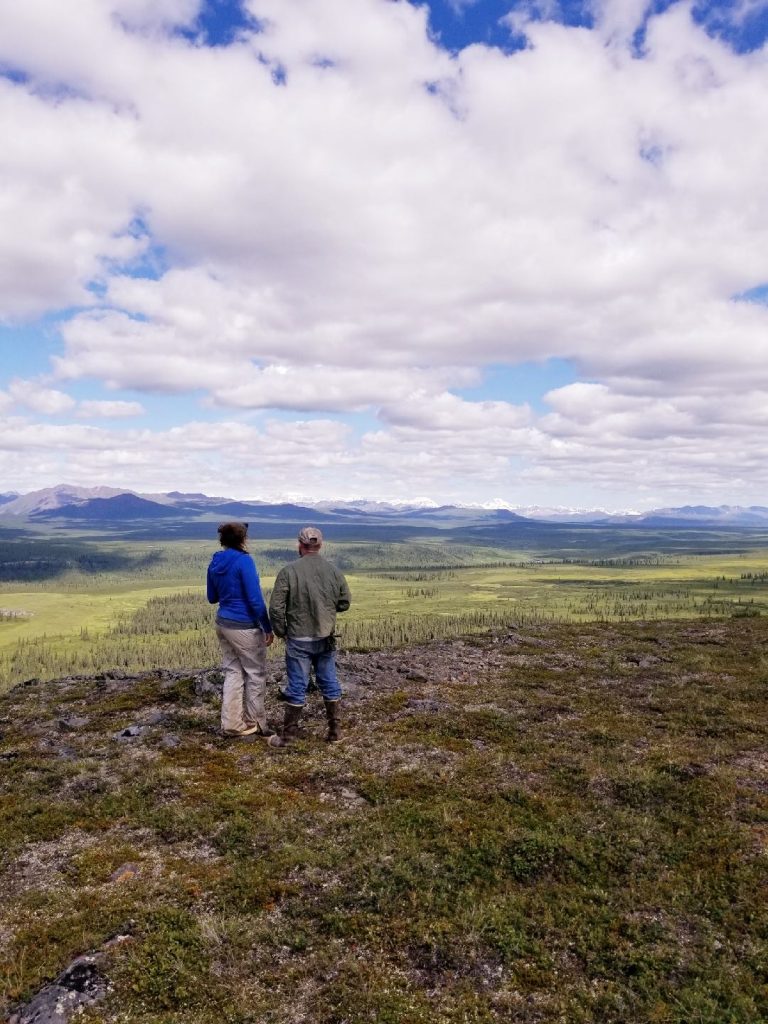
My name is Diane, I am a mother of 4 children, work at UAF, and a nature enthusiast. Born and raised in Oregon, living in Alaska for the last 12 years, I now call it home. I grew up exploring outside, and have always loved looking at the many different things that grow on this earth. I love collecting and observing the different flora when exploring Alaska with my family. It is a wonder the way plants change from tundra to wetlands, to forest and how they adapt to survive. I am excited to learn more in depth about the amazing flora and share my knowledge with my kids. Watching the spring turn to summer, it is a wonder how plants bloom in a staggered rate, each in their own time. We enjoy growing plants in our home garden, foraging for berries and mushrooms (we just finished a batch of dandelion honey and salve), and hunting. On our journeys we like to collect and press flowers or bring our sketch books. My favorite thing to observe is the lichen and spongy ground cover you find in the higher altitudes. The way it soaks up moisture and becomes very squishy and full, and then dry and crusty, it reminds me of coral. Also, Arctic Cotton, I love arctic cotton. It reminds me of the Lorax.
-
Taylor’s Introduction
Hi, my name is Taylor. My journey up to this point has been a little hard living in a small village with limited internet and places to go. I started taking taking this class because I wanted to know more about plants and how to determine what kind they are. I plant a garden every year, and my favorite plants are flowers and pineapples.
-
Hello
Hello,
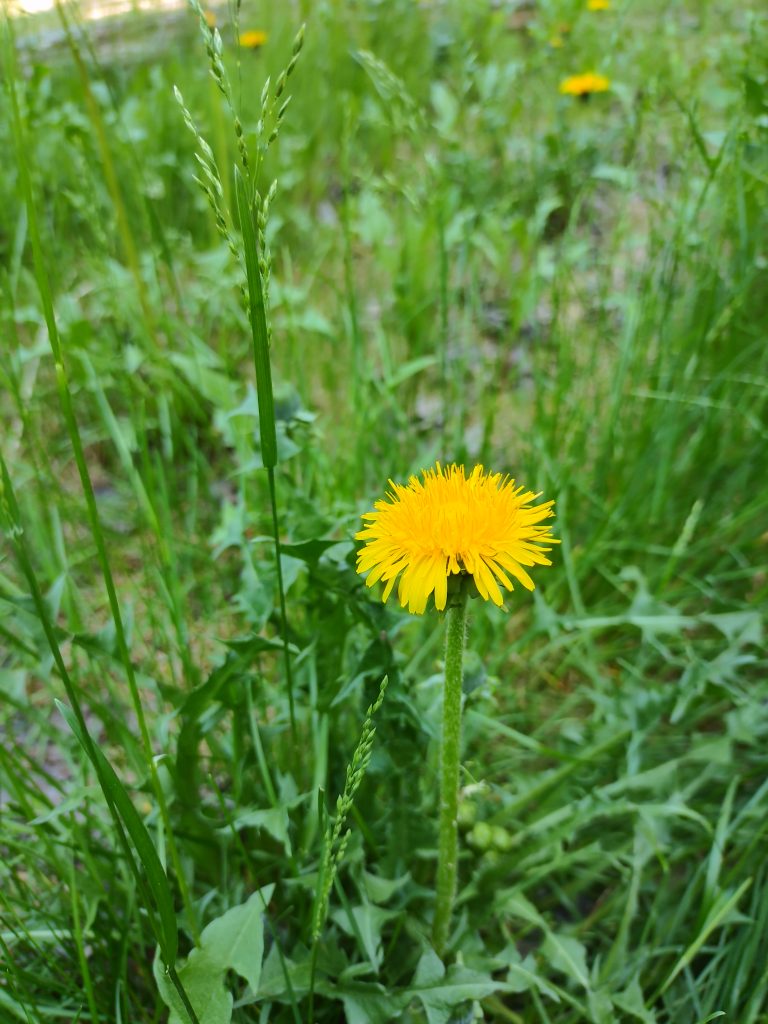
My name is Samantha. I would define myself as a beginner when it comes to understanding plants. I enjoy admiring plants, I have many house plants, and during the summer I enjoy growing various flowers, herbs, and some type of produce. This year I have covered my deck in potted plants which I am excited about. Some of my favorite types of plants are mosses, dandelions, and black spruce. I look forward to learning more about plants and specifically Alaska plants. For a microscope I ordered this desktop microscope: https://www.newegg.com/p/079-01JA-00002?Item=9SIA4RE7CT2891 and this phone accessory: https://www.newegg.com/p/0GR-00PB-00001?Item=9SIAMYCBR80078. I hope to have them both by the end of this week.
-Samantha
-
Hello Everyone Introduction
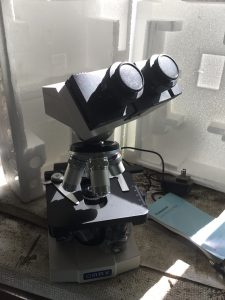
Hi my name is Louise. I live in a remote area North West of Fairbanks, near Manley Hot Springs. I’m so exited to take this class. I’m hoping after this class to be able to understand the plants around me and to be able to use them.
-
Introduction
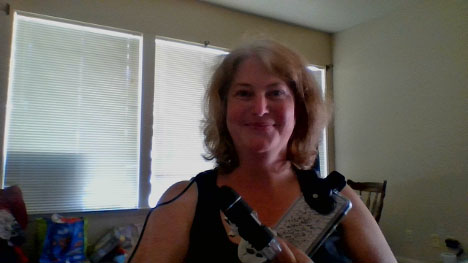
I couldn’t decide which microscopic tool to use, so I bout the digital microscope, the MagniPros, and not shown as I don’t have enough hands, the eyeglasses. I have had a few people state that I have a lab at my house they have been fun to share and use.
I have been interested in botany and ethnobotany for many years. I had lived in SE AK for 15 years and began foraging for edible and medicinal uses. I am moving to Homer and looking forward to exploring new areas.
I do have a Cultural Anthropology degree and am currently in the Ethnobotany program. Throughout this last year, I have come to terms that I don’t care for gardening, but love foraging – I will let mother nature take care of the weeding and watering. Also, I love the ‘hunt’ and exploration of the journey finding plants.
-
Introduction
Hello! My name is Alexis Francisco and I will be in my 3rd year in UAF this coming Fall semester. I’ve been living in Alaska for four years now and I definitely love it here, primarily because there’s nature everywhere! I just love how people value all the plants and animals that grow in Alaska and leaves them alone in their natural habitat. Although I’ve lived in Alaska for a while, I still don’t know much about the plants that grow here. I hope that this class will help me learn more about them.
-
Hello! Introduction
Hello, everyone. Finally, able to post my introduction after weeks of IT issues.
I’m Anne Young, a life long Alaskan (65 years) and UAF alum. I have a BS Anthropology and almost (abd) a masters degree specializing in historical anthropology and experimental archaeology. I’ve had the privilege to travel over a large part of Alaska over the years and have visited Iceland, Sweden, Norway and Denmark. I had fun observing the similarities in plant life to what I knew at homeThis is the first time I’ve returned to the classroom in several decades and the technology available for distance learning is astounding. I’ve been paddling frantically to catch up.
I’ve always been interested in the plants of Alaska, mostly from the perspective of food supplies. Knowing what will grow here as well as what is wild and edible has been vital knowledge for my family. Adding the scientific vocabulary for plant identification to the hunt is a new adventure.
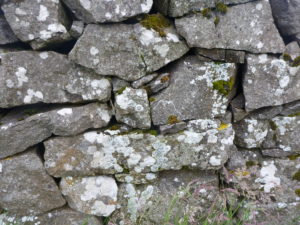
Stone wall in Iceland with moss and lichens