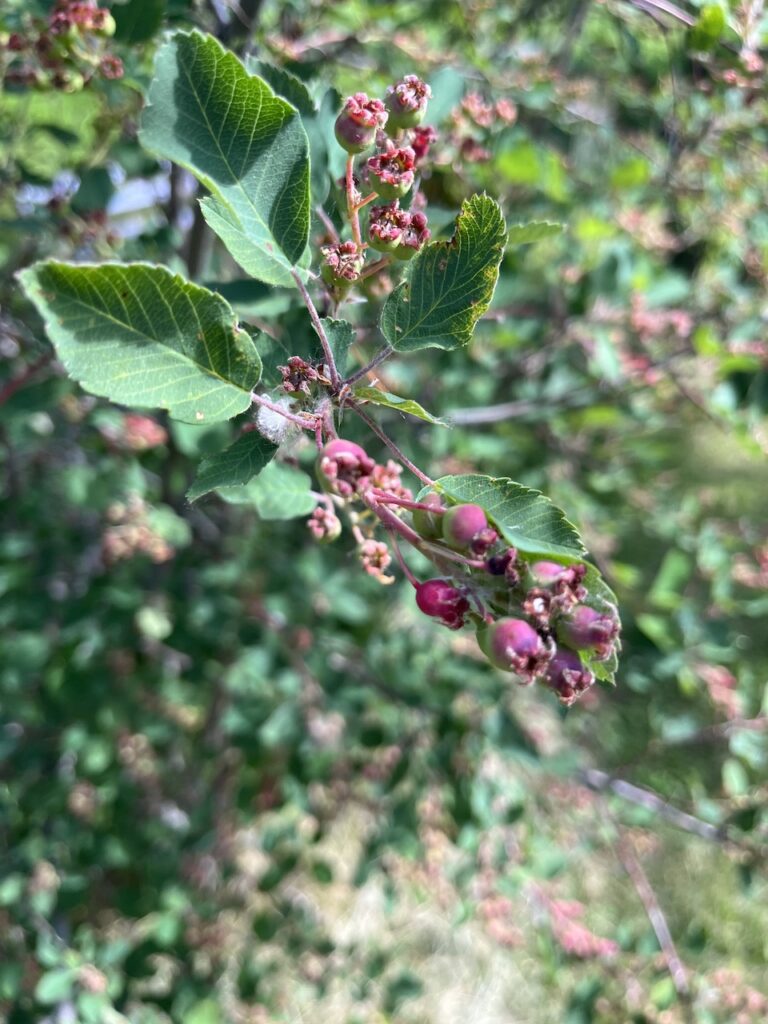
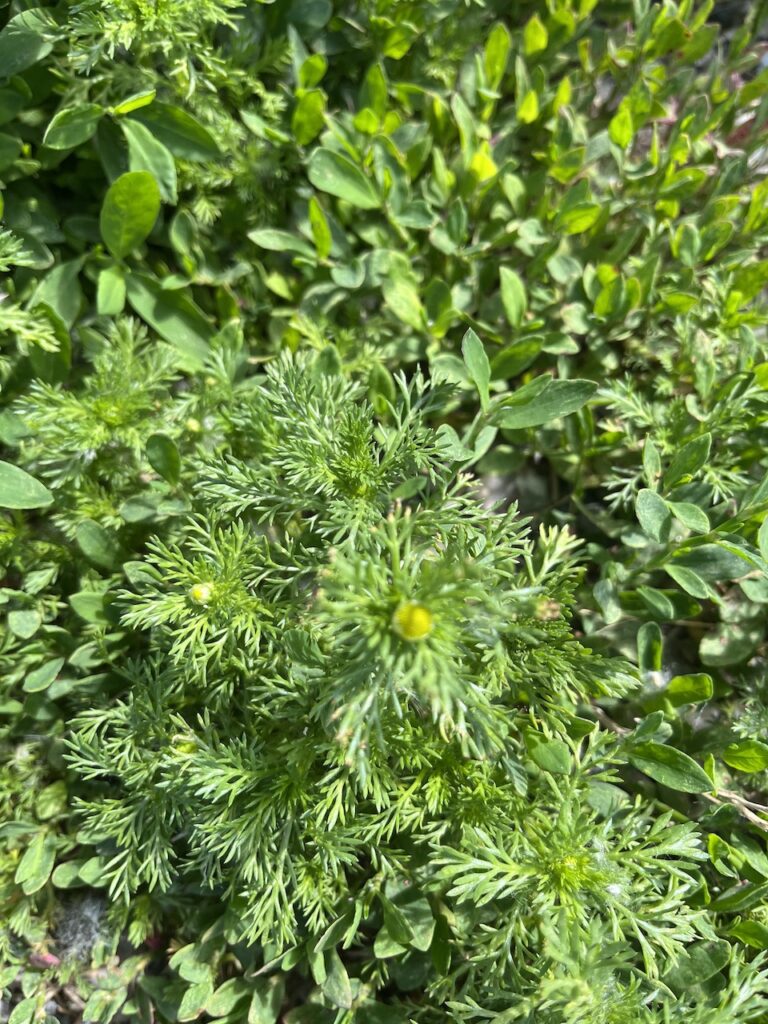
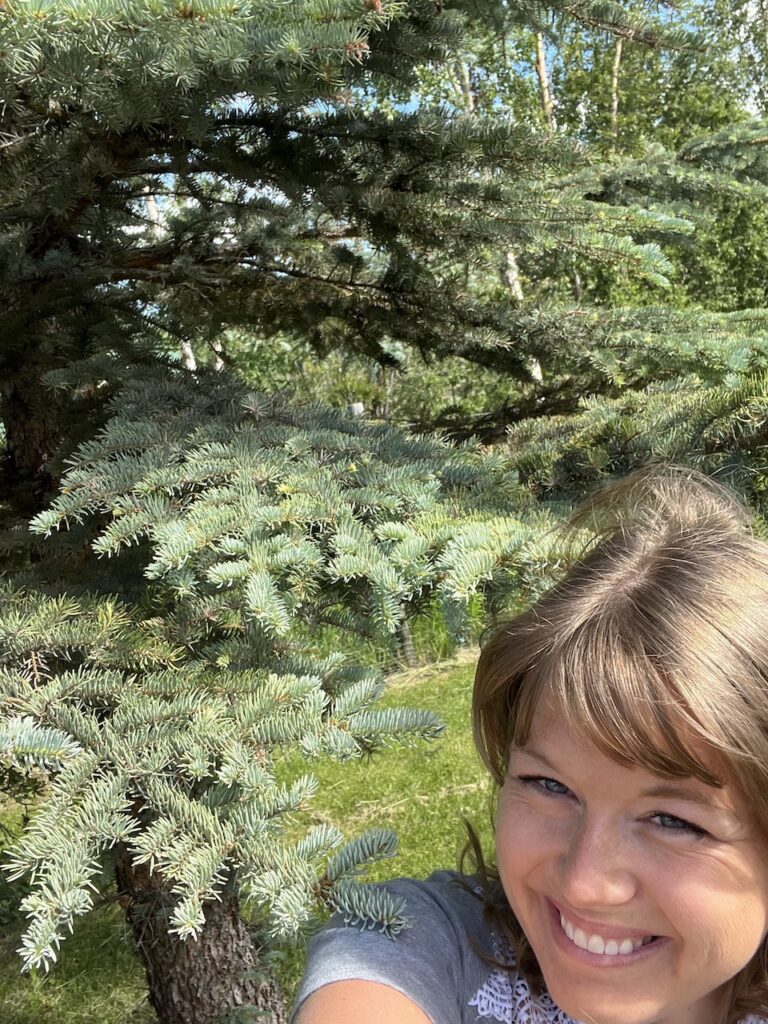
Hello! I’m Mary Kate Repetski, also go by MK. I live on Dena’ina lands in Anchorage, AK. I’m currently in the Ethnobotany occupational endorsement program and this is my second class. I work full time for the National Park Service but really look forward to the opportunity to take time to learn more about the world around me and the place I feel so grateful to live. My family changed our consonant-riddled last name when they immigrated to the US many years ago, but it stems from the Polish word “Rzepa” which means turnip, so I joke that plants are ‘rooted’ in my blood. Having fruit and vegetable plants was always a fixture in my childhood but it was not until I was an adult living in Alaska that I found a love and appreciation for foraging. I have my master’s degree from Alaska Pacific University where my thesis work was in garlic production in Alaska. Very stoked to be here and learn more during our short time together!
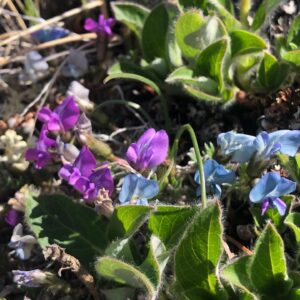
I don’t think I could possibly choose a favorite plant, but this oxytropis nigrescens brought me a lot of joy when hiking last weekend.
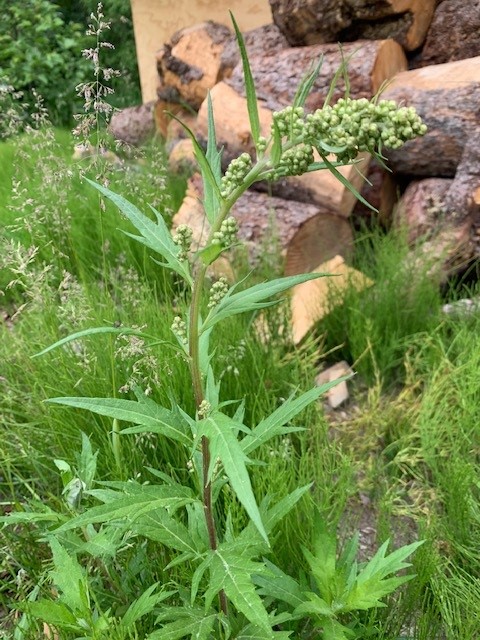
My name is Trim Nick (given first name Joseph, but I go by my nickname, Trim). I am Yup’ik, and indigenous to the Southwestern Alaska village of Nunapicuaq (Nunapitchuk), which is situated on the Johnson River thirty miles northwest (more north) of Bethel. Through the years, I’ve ventured out of the biggest village in Alaska (populations tops out around 7000 in the summer), moving to urban centers, out of state, and out of the country at least once, but Bethel is what I consider home. I am a recently-returned undergrad student to UAF after a quarter century hiatus (yes, I am older than most students in standard university classrooms), but this is something I figured would be worthwhile, as I was fairly close to completing a K-12 teaching degree and certification when I last attended university a lifetime ago. I am now in the Bachelors in Interdisciplinary Studies program through UAF, and this course is to fulfill a science lab, which I missed completing years ago. As an Alaska Native connected closely to the land, my lifestyle is very much linked to the flora and fauna of Alaska, particularly with wild berries (all edible wild berries), which are a necessary staple to our traditional diet (an organic and rich vitamin C supplement to what we eat). We also commonly and regularly use other plants, like labrador tea (especially loved among Yup’ik when mixed with regular Western tea bought from the stores), and stinkweed, otherwise known as Wormwood or Wild Sage (Qanganaruaq in Yup’ik, or Sargiq in Inupiaq), which is a cure all, or miracle plant, which is utilized for many fixes for all types of ailments. True to its name, Wormwood, or Artemesia tilesii or qanganaruaq carries a very distinct smell, that represents the smell of summer for us. Therefore, I’ve picked it as my favorite plant, not for its aesthetic beauty, but for the functional gifts it bestows on our people for healing. We even use it in the boiling water of the steambath (attached to the stove in its opening), which probably does wonders to the skin when used has bathwater on a regular basis. Though short, I do look forward this class, now that I’m shaking off the technology and virtual phobias that have plagued me with taking online classes. Indeed, much has changed since I was last in the classroom and I look forward to spending a few weeks with you all!
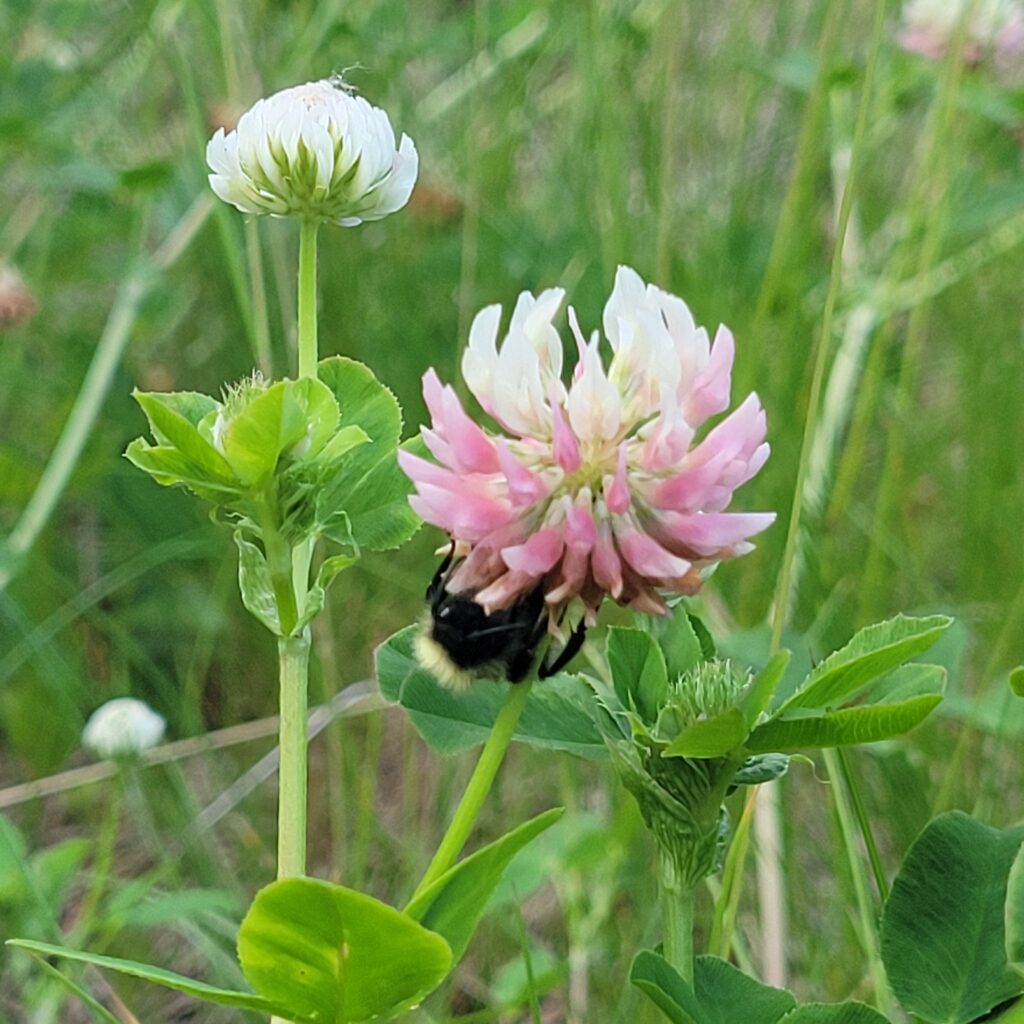
Hello everyone! My name is Andrew and I was born here in Fairbanks and reside in the North Pole area. As a kid, I was always running off into the woods and exploring everything it had to offer (I spent a lot of time poking mushrooms with cool sticks I found). Growing up my family took part in beekeeping for a few years, and rows of fireweed would grow along side the hives which would always make delicious honey. Today I still enjoy exploring and other outdoor activities like hiking, camping, kayaking, and fishing, and I try to get out in the sun a couple times every week. I am excited to learn more about the local vegetation since I enjoy blueberry picking around places that are outside of town and full of life. So far I have brewed blueberry mead with the blueberries I picked, which turned out to be pretty good. The image I chose is one I took when we were keeping bees and one happened to land on a wild flower next to me.
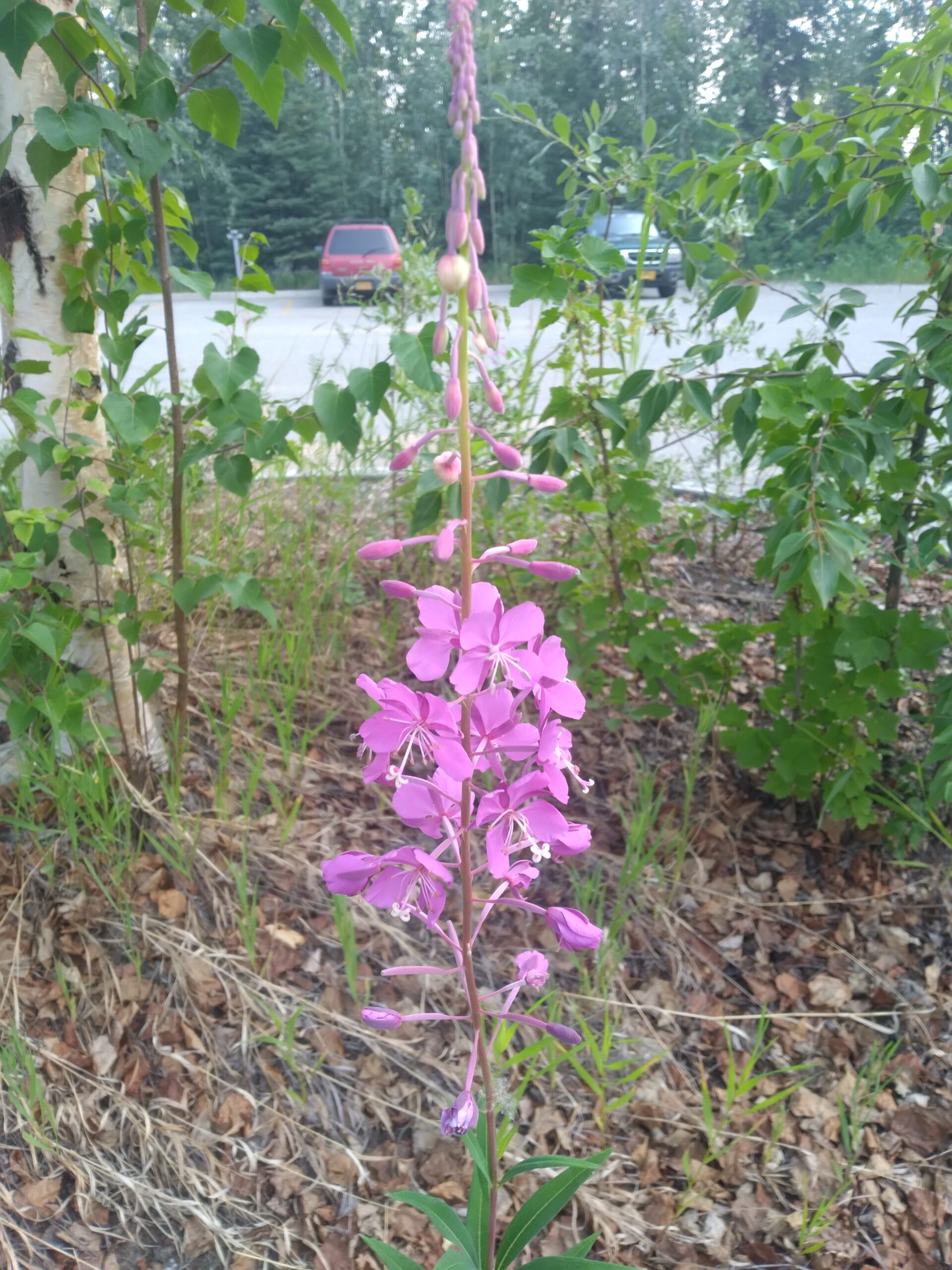
Hi! My name is AJ. I was born and raised in Alaska where I continue to reside, indefinitely. I honestly don’t think I will ever move out of this beautiful state (even though I am not a fan of the snow). I am enrolled in the UAF Elementary Education program and am expecting to graduate this coming spring after completing my internship during the 2022-23 school year. I currently live in the Meadow Lakes area, but I enjoy venturing out further in order to see new scenery that Alaska has to offer. I am taking this class for several reasons, but one of them is that I have always found Alaska flora to be very interesting as it has so many uses. For example, I enjoy making fireweed jelly and tea from the fireweed plant ( Chamerion Angustifolium). Even dandelions have their uses that I was not aware of until I became an adult. I hope to gain knowledge from this class that I will be able to pass along to my children that I homeschool as well as any students that I may have in the future as well.
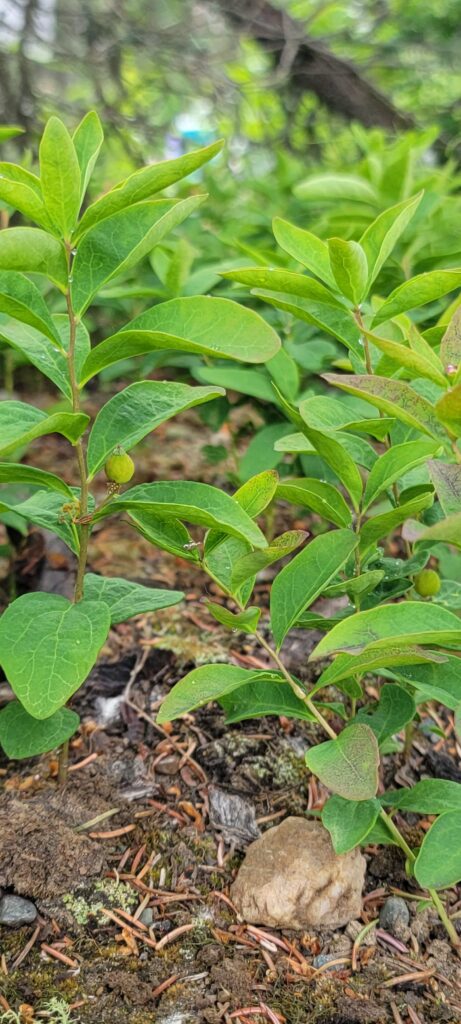
The image I have selected is of a Pumpkin Berry also called Timberberry, Dogberry, and Northern Commandra. The scientific name for it is Geocaulon Lividum. These actually grow in the wooded area around my yard. When these berries are fully developed they are a bright pumpkin orange and even look to have lined sections like pumpkins. The fruits will not be fully developed until august. These berries honestly are not used all that much even though they are edible, this is due to them not being very tasteful. I have also found that they can cause disease in surrounding plants and to be mindful of yellow veined leaves that carry this disease.
Hello! My name is Nikira Lane and I am from Anchorage, Alaska. As a born and raised Alaskan, I spent a lot of time foraging, hunting, fishing, and everything outdoors growing up. Being surrounded by Alaskan culture and traveling to many rural areas with my dad and brothers has helped me to feel a strong connection to living a subsistence and independent lifestyle regarding food. Some of my favorite locations have been Mekoryuk, Kodiak, and Adak to experience different cultures and see beautiful parts of Alaska. Each of these places has incredible subsistence food opportunities and has taught me a lot about myself and the state in which I have lived my entire life.
I am currently a student at Purdue University, about to enter my senior year, studying Agricultural Engineering (Machine Systems Discipline) with minors in Soil Science and Crop Science. After graduating, I hope to spend some time on missions’ trips teaching sustainable ag practices and eventually plan to come home to Alaska where I can help promote food security for my family, friends, and fellow Alaskans who know all too well the dangers of living in a food desert.
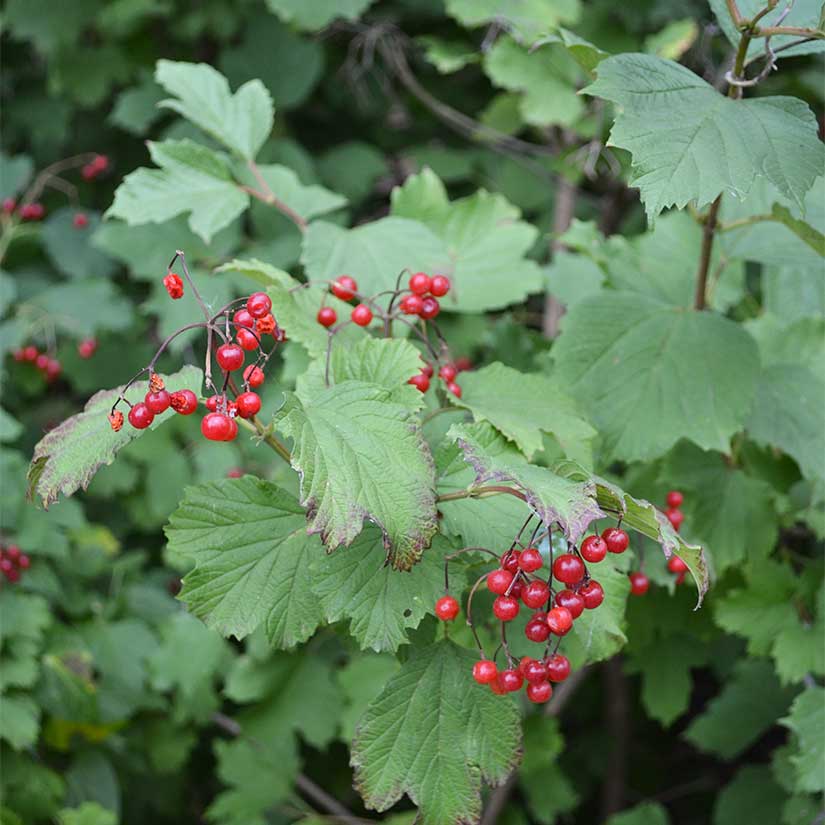
Loving people and loving plants have always been two of the things near the top of my priority list. This is why I am pursuing an occupational endorsement through the ethnobotany program. When I heard about the program, I knew I would love the content and develop skills wholly useful and applicable to my future career objectives. At Purdue, I have already taken many classes involving plant taxonomy and morphology, but I am excited to focus on the flora of Alaska and learn even more terms! I have many plants that I absolutely adore, so highlighting a single plant is very difficult. One plant that I have always loved is the highbush cranberry, Viburnum opulus var. americanum Aiton (Adoxaceae). Since I was quite little, my mom and neighbor’s mom took us kids berry picking each summer. We would pick berries all day and then get to make punch base, syrup, jelly, and much more. Absolutely delicious!! I still love to make goodies from high bush cranberry juice.
We own a few microscopes in my house already actually because we are all a bit too obsessed with science and all things insects, plants, or microscopic. I plan to use one of these for the dissections, but I still need to dig the good one out of the crawl space, so I do not have a picture of it yet. Instead, I have included a picture of the highbush cranberry plant with ripe berries.
Highbush Cranberry, Viburnum opulus var. americanum Aiton (Adoxaceae)
Hello, my name is Emma! I currently live in Juneau, but I’ve also lived in Sitka, Valdez, Port Angelas, Marinette, Everett, and Cheboygan. I am majoring in marine biology. I am attending the UAS campus in Juneau at the moment. Whether it’s hiking or fishing, I love being outside. I have been growing plants as a hobby for about ten years now. At this point, my entire house has been taken over by monsteras and sweet potato vines. I don’t have a lot of foraging experience but every spring I will collect fiddlehead ferns and make a nice pesto from them. I don’t think I have a favorite plant, but I quite enjoy growing pothos, monsteras, and potatoes, really anything that grows fast.
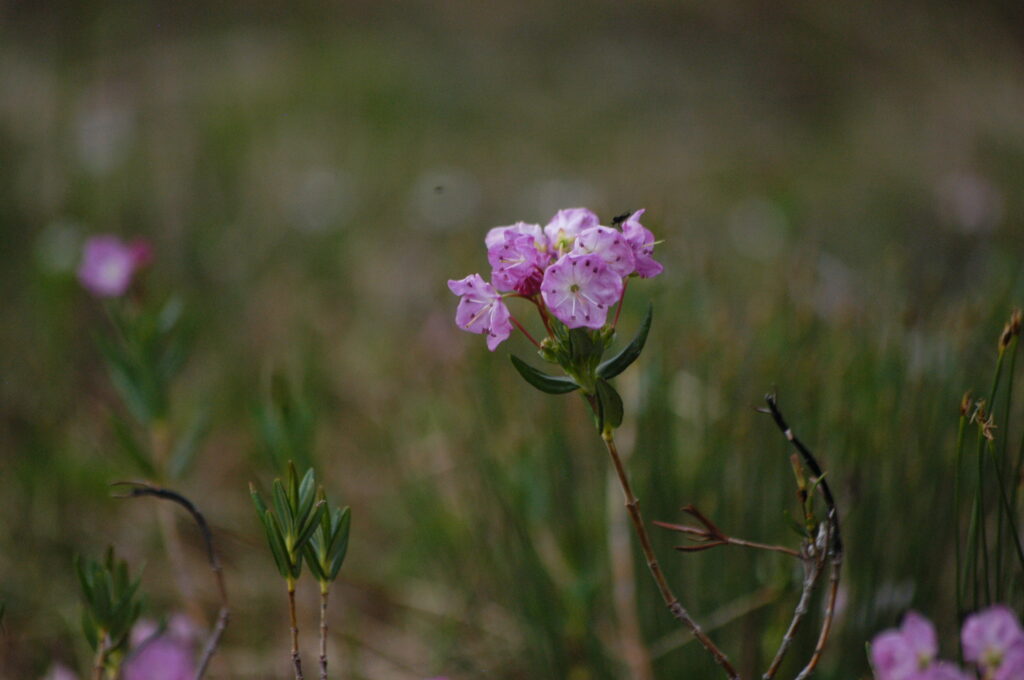
Hi, I’m Terry I’m taking this class because I love Alaskan Flora. I feel it should be a required class for anyone doing a BS Arctic Ecology focus. Off my soapbox. I grew up in New England in the woods ponds swamps you name it. I grew up admiring Rachel Carson and still do. We camped, and hiked all over the east coast. When I was in the service I was stationed in the Pacific Northwest on Coast Guard ships that patrolled from Antarctica to Alaska and looked over the scientists’ shoulders. I moved to Alaska in 08 to Mat Su Wasilla and Willow till Sockeye then I moved to the Fairbanks area. Attended school at Bay community college in one part of UP and then Lake Superior State on Lake Superior I have been home for just over a year. When I moved here from Texas I went to Every National Park on the way. My major is Ecological and Evolutionary Biology with Minors in Alaska Native Studies and Alaska Climate Change Biology. I have 3 favorite Alaskan flowers. Fireweed not only for its beauty but its versatility as a food. Swamp Iris of Mat-Su Valley Palmer Hayflats. Finally, the Arctic Rose has many uses as food, medicine, and perfume. I admire it because it is resilient.
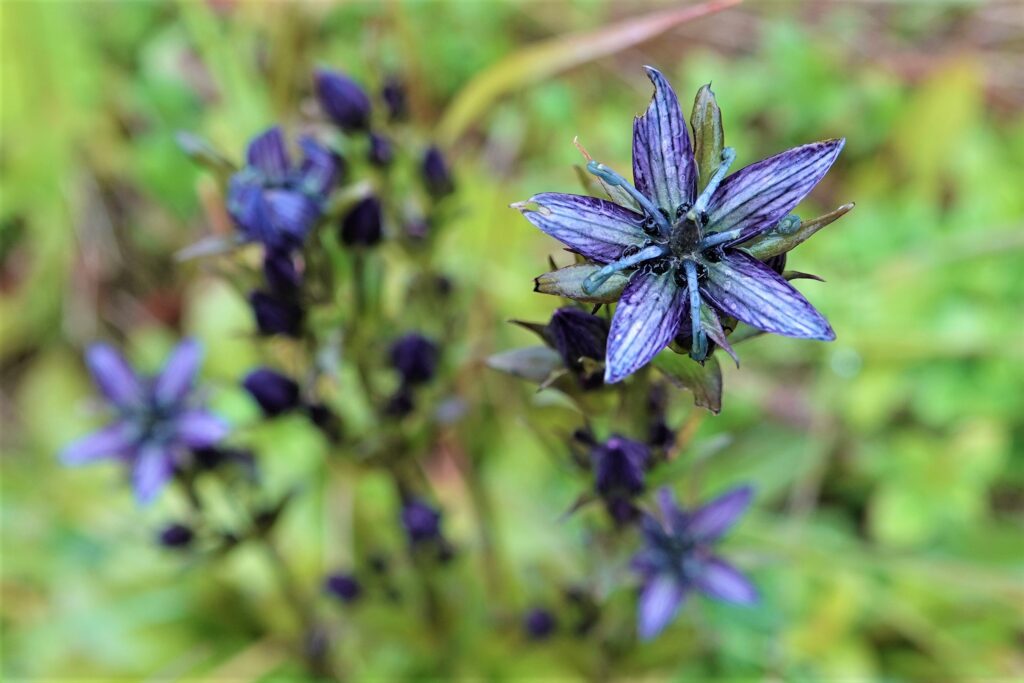
I moved to Kodiak to work for the Kodiak National Wildlife Refuge about a year a half ago and I am completely enamored with Kodiak Island and Alaska. I am originally from Washington State but I have also spent a significant amount of time in California, Australia and Japan. I have a degree in environmental science but I have mostly focused on wildlife conservation in the past. Moving to Alaska has sparked much more of an interest in plants in me and I now consider myself a beginner gardener and forager. Some of my favorite plants are star gentian, salmon berry, and sundews. I have ordered a macro lens for my smart phone which has not arrived yet and will build a plexi-glass stand to go with it.
A Star Gentian (Swertia perennis) found on the south west coast of Kodiak Island.
Hello everyone! My family and I live in the boreal forest in Haines Junction, Yukon. I work as an Herbalist and Education Assistant. Educating children about the edible and medicinal uses of plants has been a great reward. Northern kids are just naturals at plant knowledge! We live on the traditional territory of the Champagne Aishihik First Nations and are very grateful to harvest wild plants in their traditional territory called Dakwakada. I grew up in Southern British Columbia helping my parents in the garden and always searching for plants like wild ginger, sasparilla and hazelnuts. The boreal forest has been such a great place to learn about the diversity of plants. I love finding orchids right in my backyard! Some of my favorite plants are prickly roses, fireweed, and spruce. I’m looking forward to learning more about our northern plants.
I am using the macro lens on my Samsung phone to take pictures. As well I will be borrowing a microscope from the school for the plant dissection s. I also have been using a handheld microscope to look at the morphology of plants. I’ll attach a photo of it.
Hello! As my 4-year-old has taken to reminding me, he and sis are Alaskans and Mommy is “just a Kansan”! So I’m a proud Alaska transplant of 12 years raising 2 even prouder little Alaskans:) We love to identify the plants we know on hikes, forage a bit close to home, and use the rhubarb and currants that grow prolifically in the yard. Both my grandmas were avid gardeners and taught me a bit about the flowers and bushes in their yards in the Midwest. Alas, even with this heritage, my own thumbs seem to be black – no gardening for me. This makes me appreciate nature’s bounty all the more and desire to continue to learn about sustainable, responsible foraging. Pineapple weed is one of my favorites for its smell and taste. Blue spruce trees are another, for their sheer beauty. There’s also a “Mat-su Valley early summer” smell that fills me with joy every year, I’d love to learn from which plant it exudes. I’m eager to learn more about specific plants as well as flora in general in this class.