Category: Dichotomous Keys

  • Dichotomous Key

    Dichotomous Key 

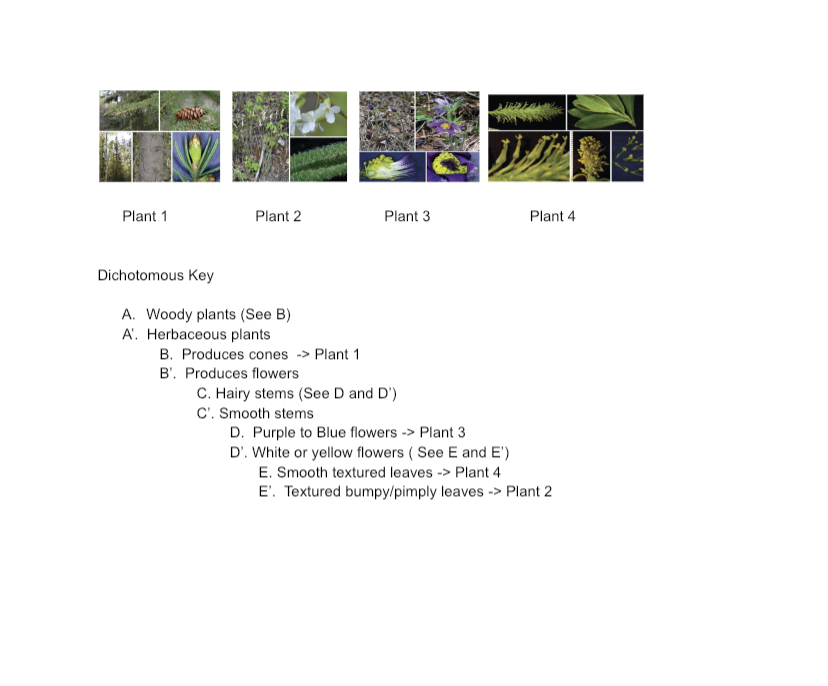
    A: Plant produces cones 

    A: Plant has flowers 

    A: Plant has needles (Plant 1)

    A: Plant has leaves (Go to B)

    B: Plant has smooth stems

    B: Plant has hairy stems (Go to C)

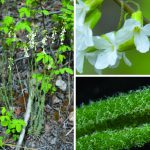
    C: Plant has white or yellow flowers (Plant 2)

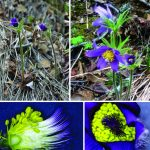
    C: Plant has purple or blue flowers (Plant 3)

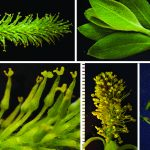
    D: Plant has simple leaves (Plant 4) 

    D: Plant has serrate leaves 

    Plant 1
    Plant 2
    Plant 3
    Plant 4
  • Dichotomous Key

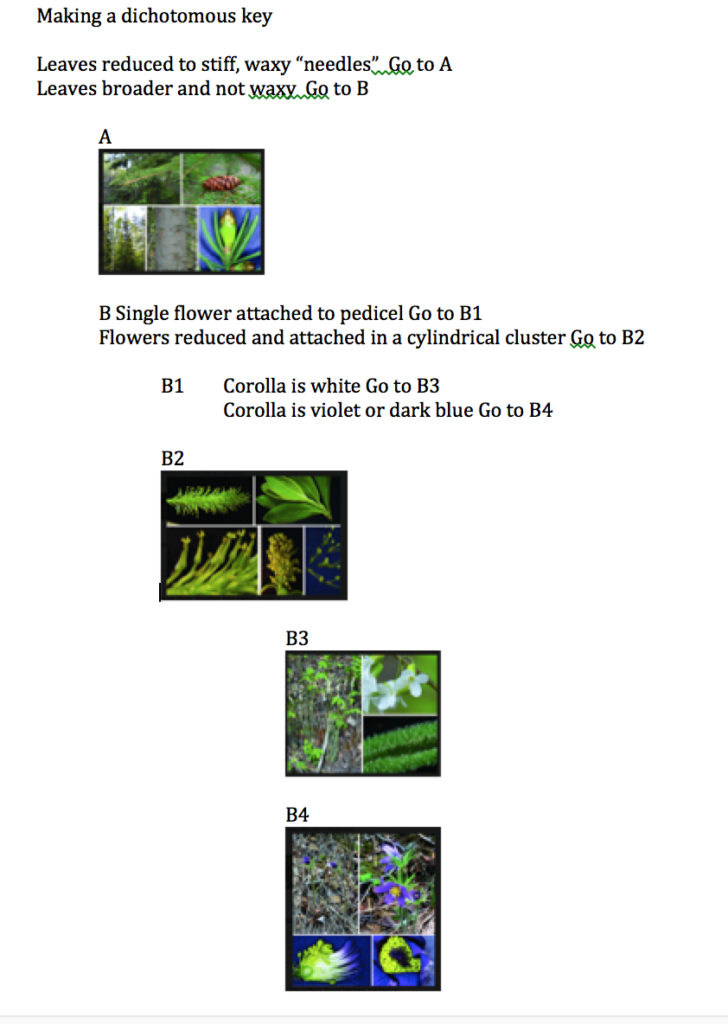
    This is my first attempt at categorizing dichotomies on my own, after referring to a lot of threads and thinking on my own I decided to use the structure and propagation of the plant to categorize them, but I think the results are a bit complicated, so I’m hoping I can be guided by you guys

    A. If plant structure is woody … Go to B

    A-1. If plant structure is herbaceous … Go to C

    B. If plant reproduces via cones … Plant #1

    B-1. If plant reproduces via flowers … Go to D

    C. If leaf is simple … Go to E

    C-1. If leaf is compound … Go to F

    D. If plant has a single flower on its stem … Plant #3

    D-1. If plant has multiple flowers on its stem … Go to G

    E. If flowers are white-petaled … Plant #2

    E-1. If flowers are violet-petaled … Plant #3

    E-2. If plant bears a yellow catkin … Plant #4

    F. If flower is whole and has all its parts … Plant #2

    G-1. If flower is missing some parts or petals … Plant #4
  • Dichotomous Key

    Dichotomous Key

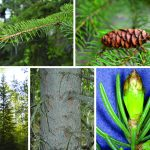
    1A: Plant has needles …… Plant 1

    Plant 1: A conifer with single linear alternating needles and grey bark.

    1B: Plant does not have needles ….. go to 2

    2A: Plant contains complete flowers…. Go to 3

    2B: Plant does not contain complete flowers…. Plant 4

                  Plant 4:  Plant has separate staminate and pistillate flowers.

    3A: Plant has purple flower petals… plant 3

    Plant 3: Has a short stem with many sepals. The flower contains 6 petals with many yellow stamens.

    3B: Plant has white flower petals…. Plant 2

    Plant 2: Has a long stem with white hair like substance. Flower contains 4 petals.

  • Dichotomous Key

    Plant 1
    Plant 2
    Plant 3

    Plant 4
    Plant 5

    1. Flowers with petals (Plant 1) – Go to step 2.
    2. Solitary flowers (Plant 2) Go to step 3.
      • Flowers in clusters or inflorescences. (Plant 3)
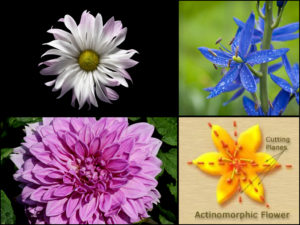
    3. Actinomorphic flowers (radial symmetry) (Plant 4)
    4. Zygomorphic flowers (bilateral symmetry) (Plant 5)
  • Dichotomous Key – Emma

    Plant 1     

    Plant 2

    Plant 3

    Plant 4

    A- Plants with Flowers – B

    A– Plants without Flowers C

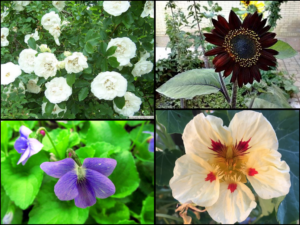
          B- Plants with White Flowers- Plant 3

          B– Plants with Purple Flowers- Plant 4

                C- Plants with needles- Plant 1

                C– Plants without needles- Plant 2

  • Dichotomous Key

    Dichotomous Key for Plant Identification
    Leaves needle-like or scale-like (Go to 2)
    Leaves broad and flat (Go to 3)
    Needles in bundles of 2 or 3:
    -Plant 1: White Pine (Pinus strobus)
    -Plant 2: Red Pine (Pinus resinosa)
    Leaves opposite:
    -Plant 3: Maple (Acer spp.)
    -Plant 4: Oak (Quercus spp.)
    Leaves compound:
    -Plant 5: Clover (Trifolium spp.)
    -Plant 6: Mimosa (Albizia julibrissin)
    Leaves simple:
    -Plant 7: Dandelion (Taraxacum officinale)
    -Plant 8: Sunflower (Helianthus annuus)

  • Dichotomous Key

    Hello everyone,

    This is my attempt at a dichotomous key. I apologize for the delay as I was in the process of moving and my laptop was damaged. I’ve never heard of a dichotomous key before but this was quite the project!

  • My Dichotomous Key

    This one kept throwing me for a loop. Grouped this based on what was flowers and what was plants. My details were based on stamens, pubescence and whether or not these plants were flowering. Uhhhh. I hope I did this right. Both flowering plants had some sort of pubescence on them. Plant 1 I felt was an outlier because it had no identifiable stamens and its indehiscence from the pine cones.

    A. Multiple stamens – Go to B

    A1. Plants with no stamens – Go to D

    B. Pubescent Plants – Plant 4 – Go to C

    B1. Pubescent Stems and Petals – Plant 3

    C. Flowering Plants

    C1. Plant 2

    C3. Plant 3

    D. Glabrous Leaves – Plant 1 

  • Liz’s Dichotomous Key

    I struggled a lot with this assignment, which is why I procrastinated it. I really enjoy the July flora in Alaska. The delphiniums, fireweed and monskhood are in bloom which are my favorite plants to admire. My Dichotomous key is based on those plants.

    A. Flowers that alternate along the stem

    A1. Flowers that do not alternate along the stem

                  B. Flowers that have leaves

                  B1. Flowers that do not have leaves

                                 C. Flowers that are purple

                                 C1. Flowers that are pink

                                 C2. Flowers that are not pink or purple

                                               D. Flowers that have five petals

                                               D1. Flowers that have four petals

                                               D2. Flowers that have more than five petals

                                               D3. Flowers that have less than four petals