This exercise was great because it really got me out of my comfort zone of plant morphology knowledge! Finding physical examples for these all new terms was really conducive to my understanding of the terms. It helped me discern different parts of flowers and this was a highly valuable activity due to how challenging it was.
Needle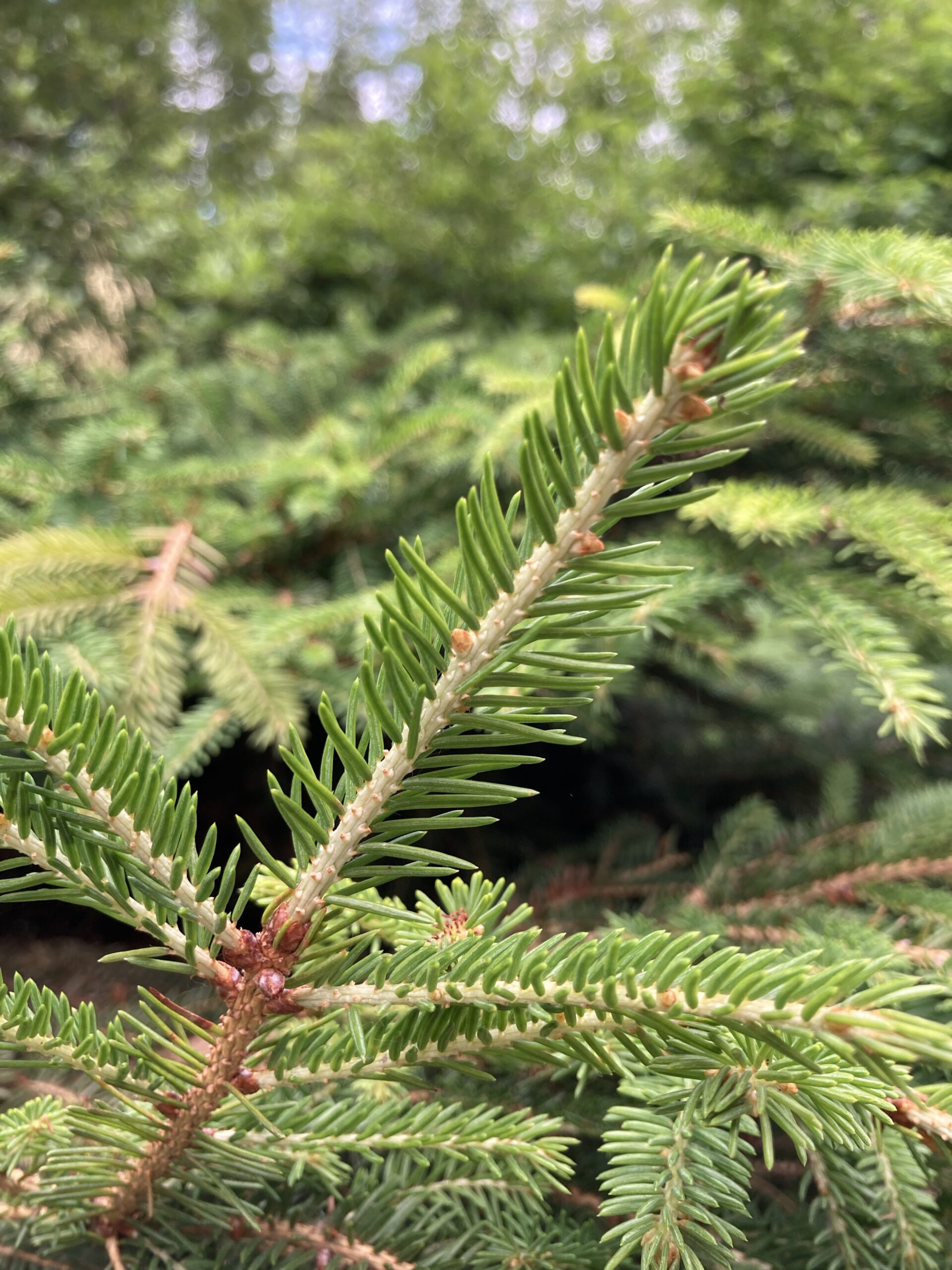 | Connation 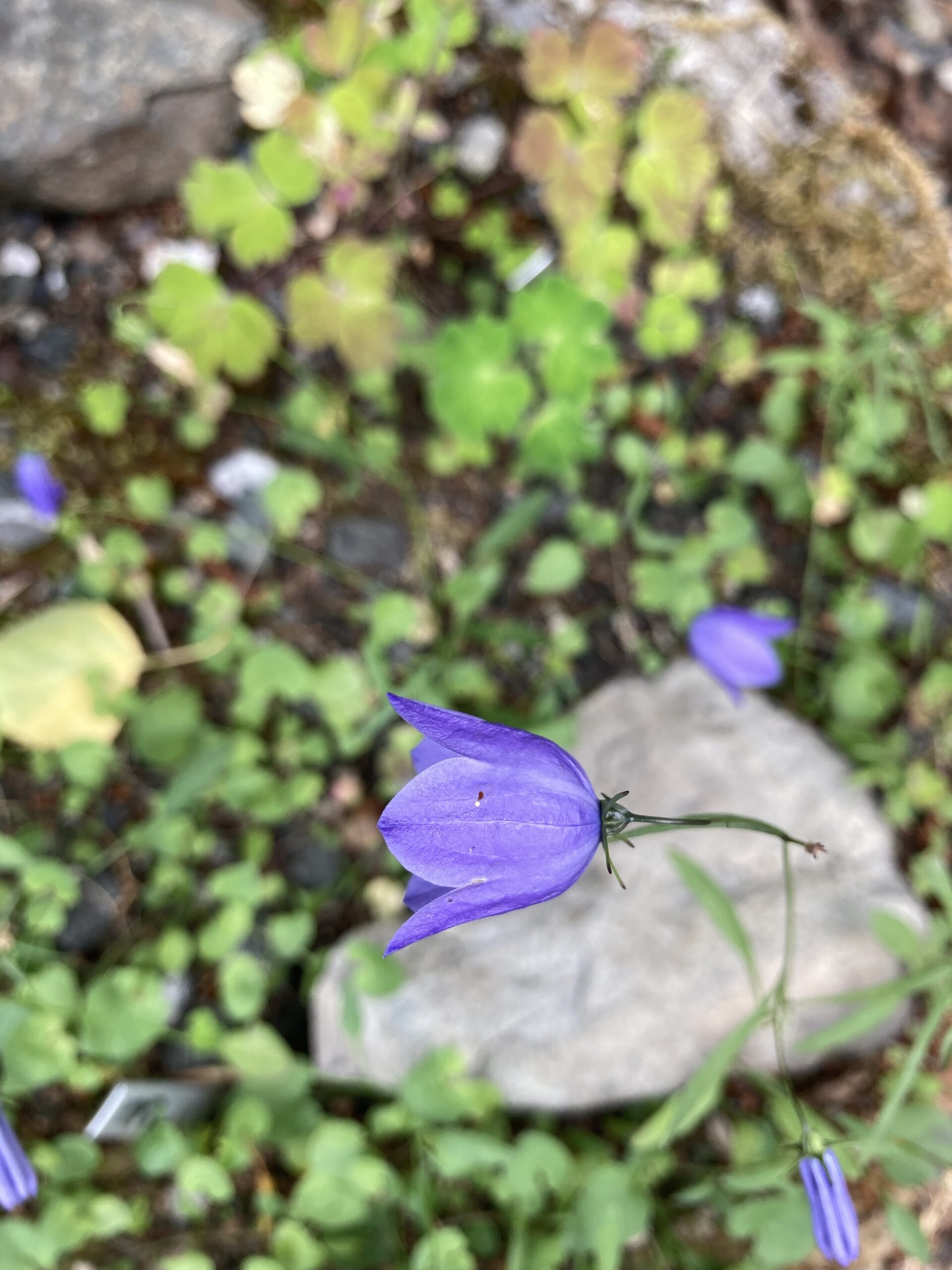 | Actinomorphic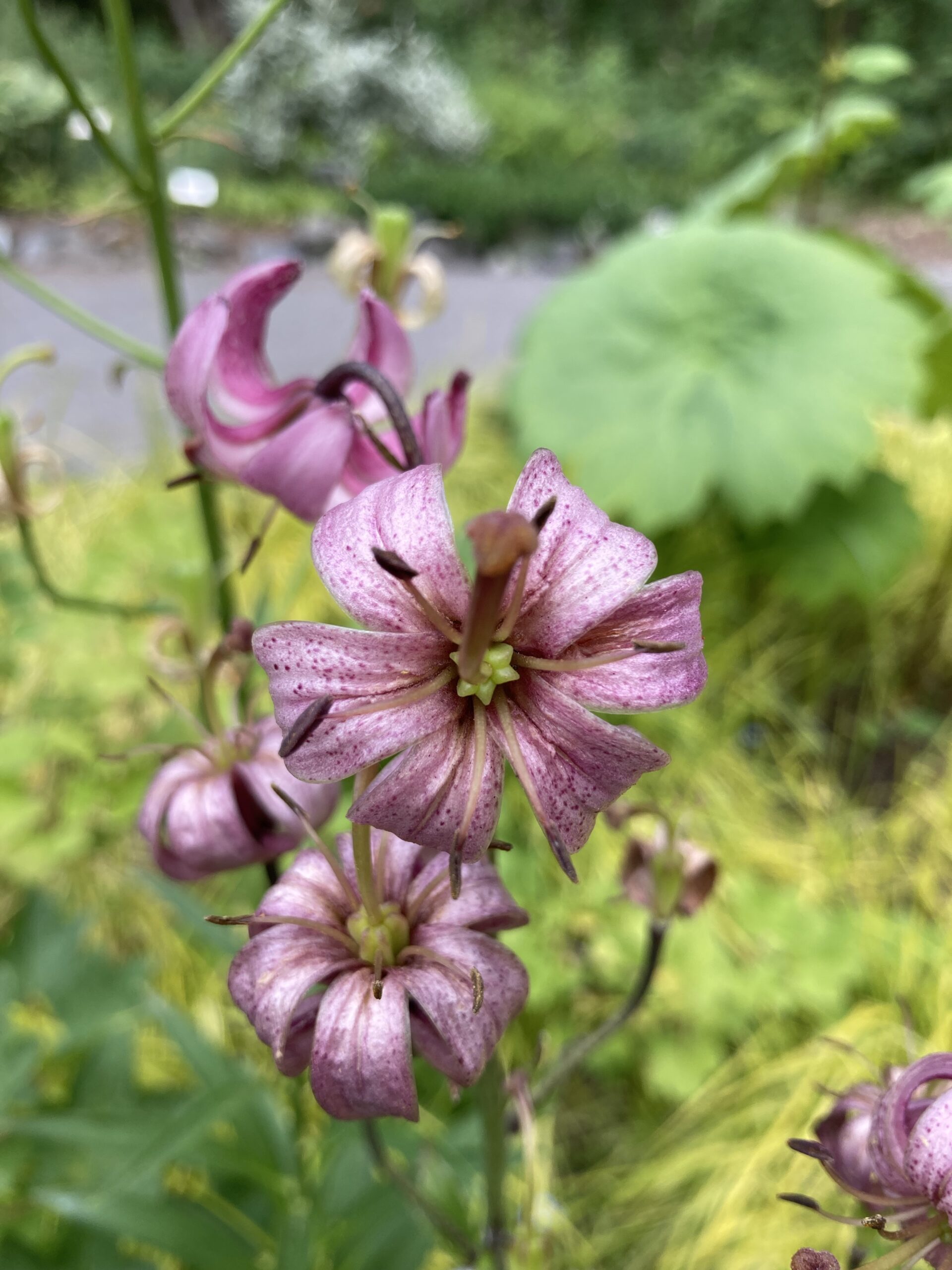 |
Diadelphous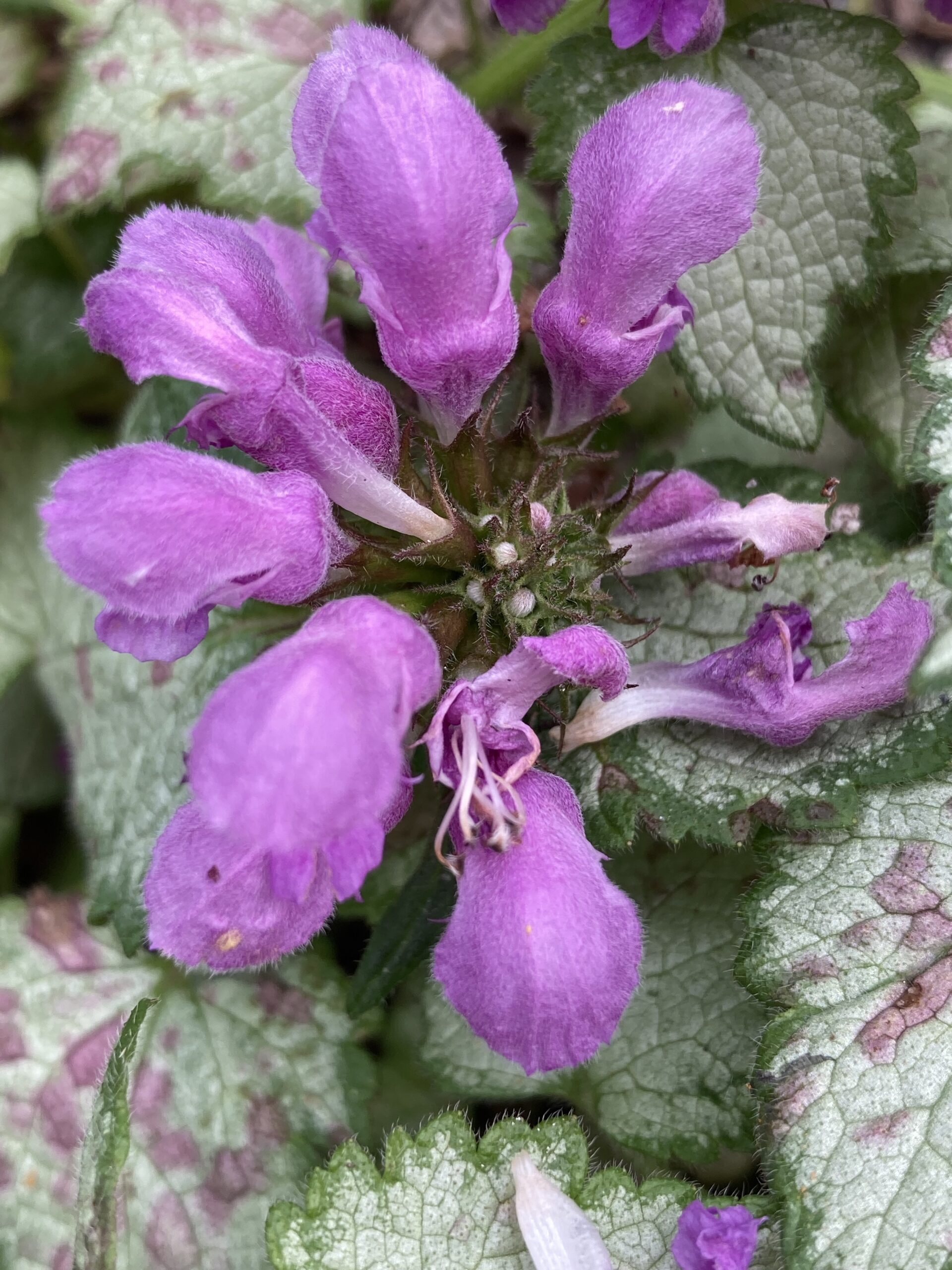 | Silique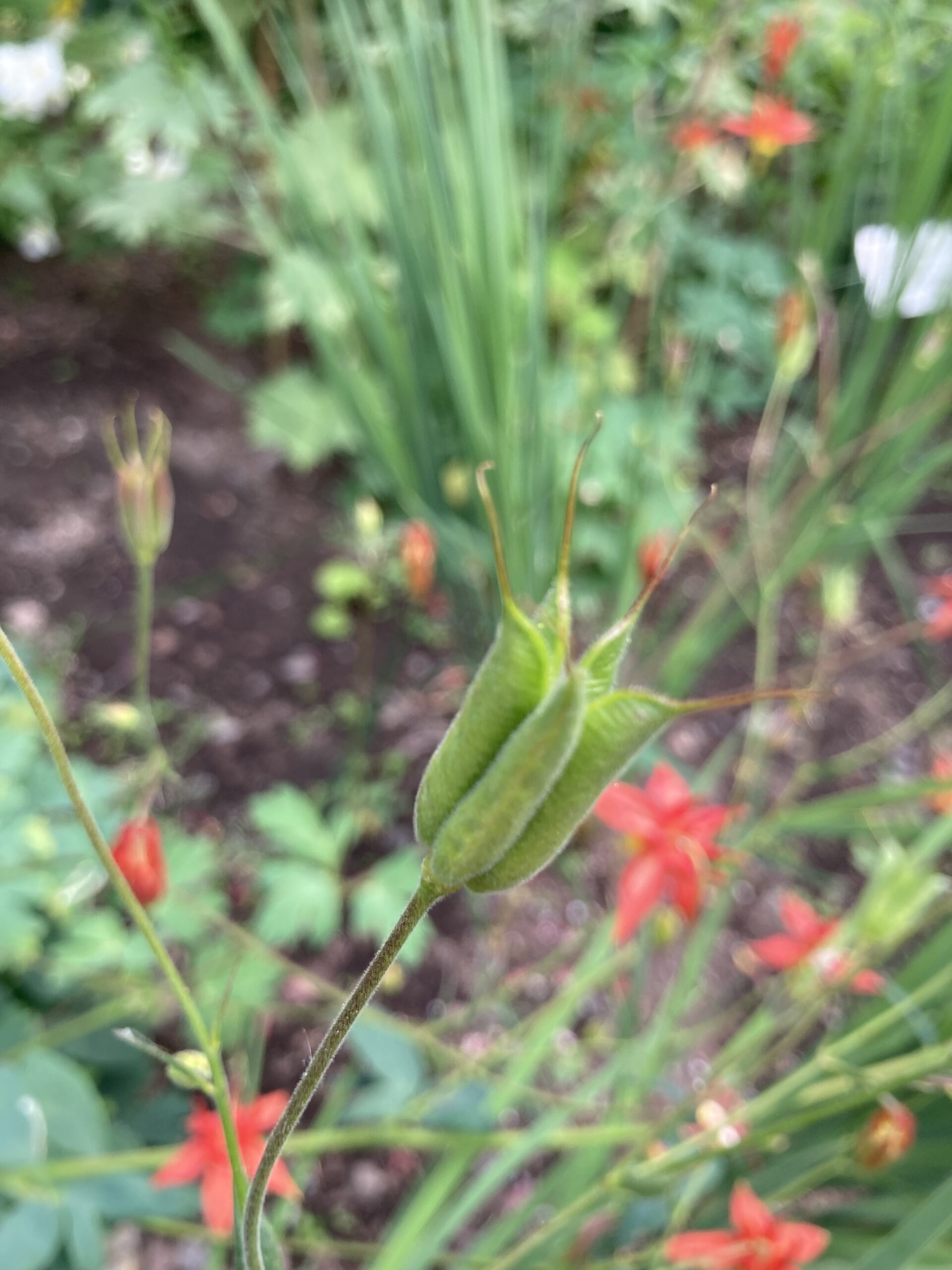 | Inferior Ovary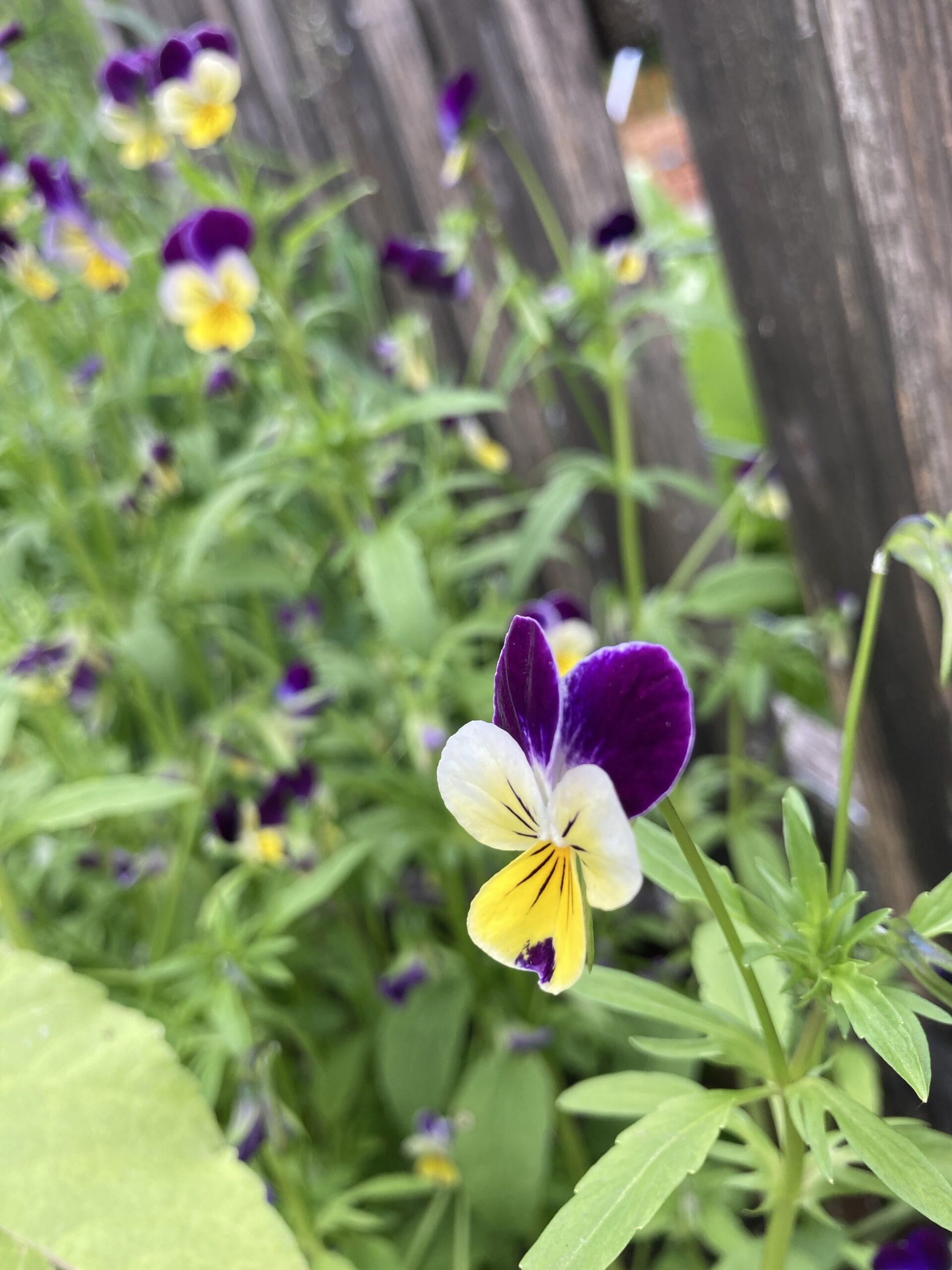 |
Palmate Venation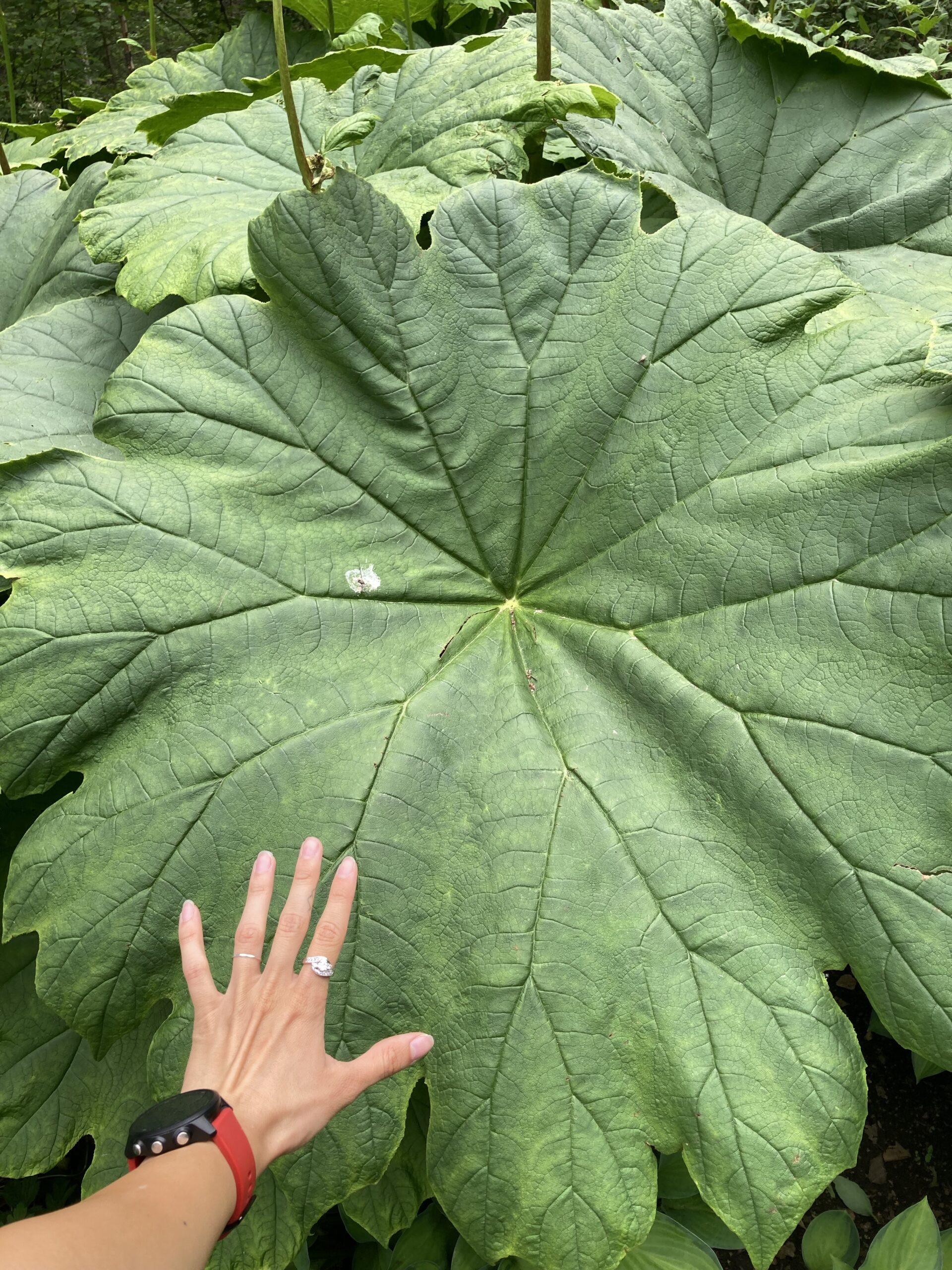 | Adnation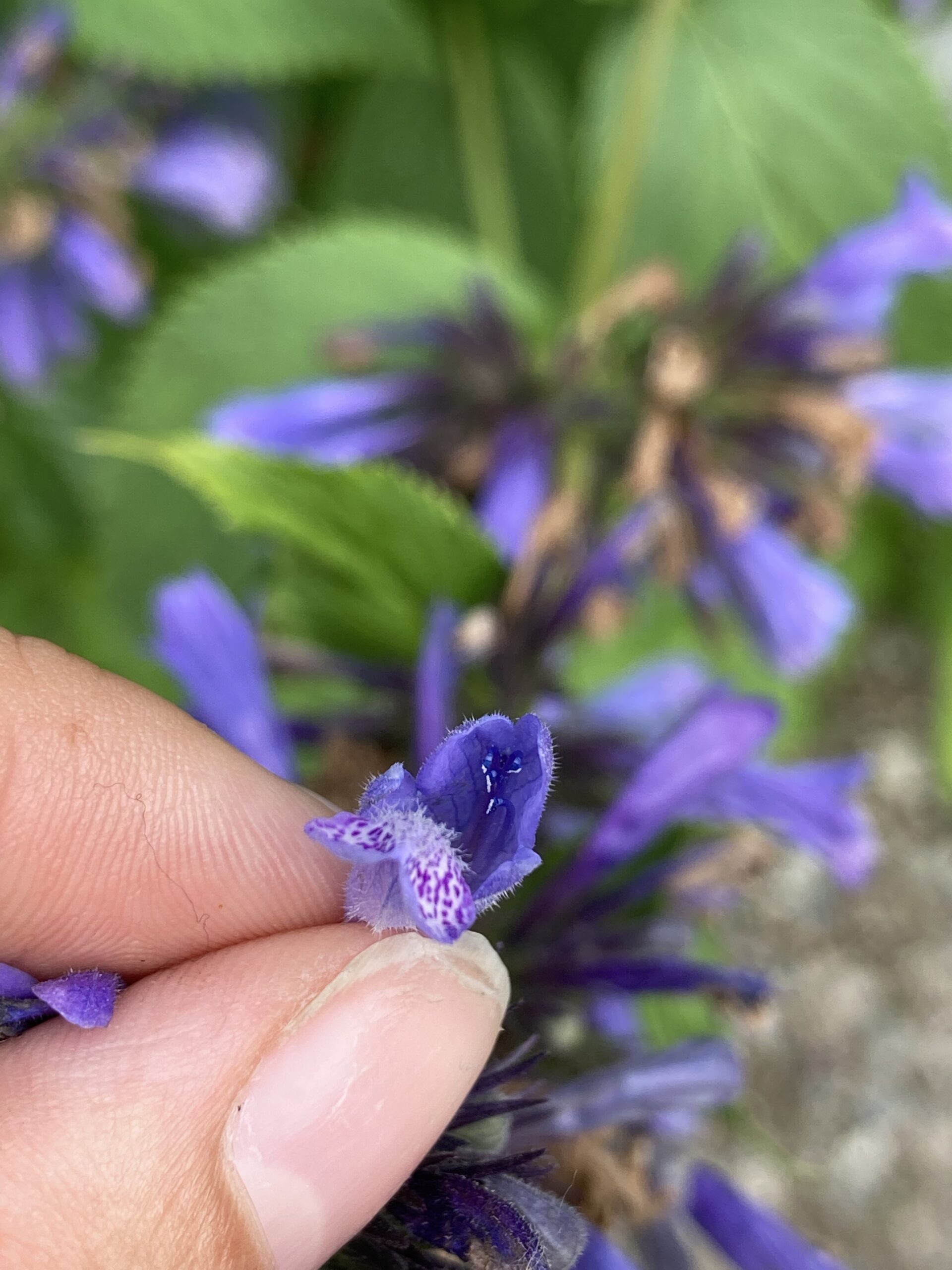 | Porate Anther Dehiscence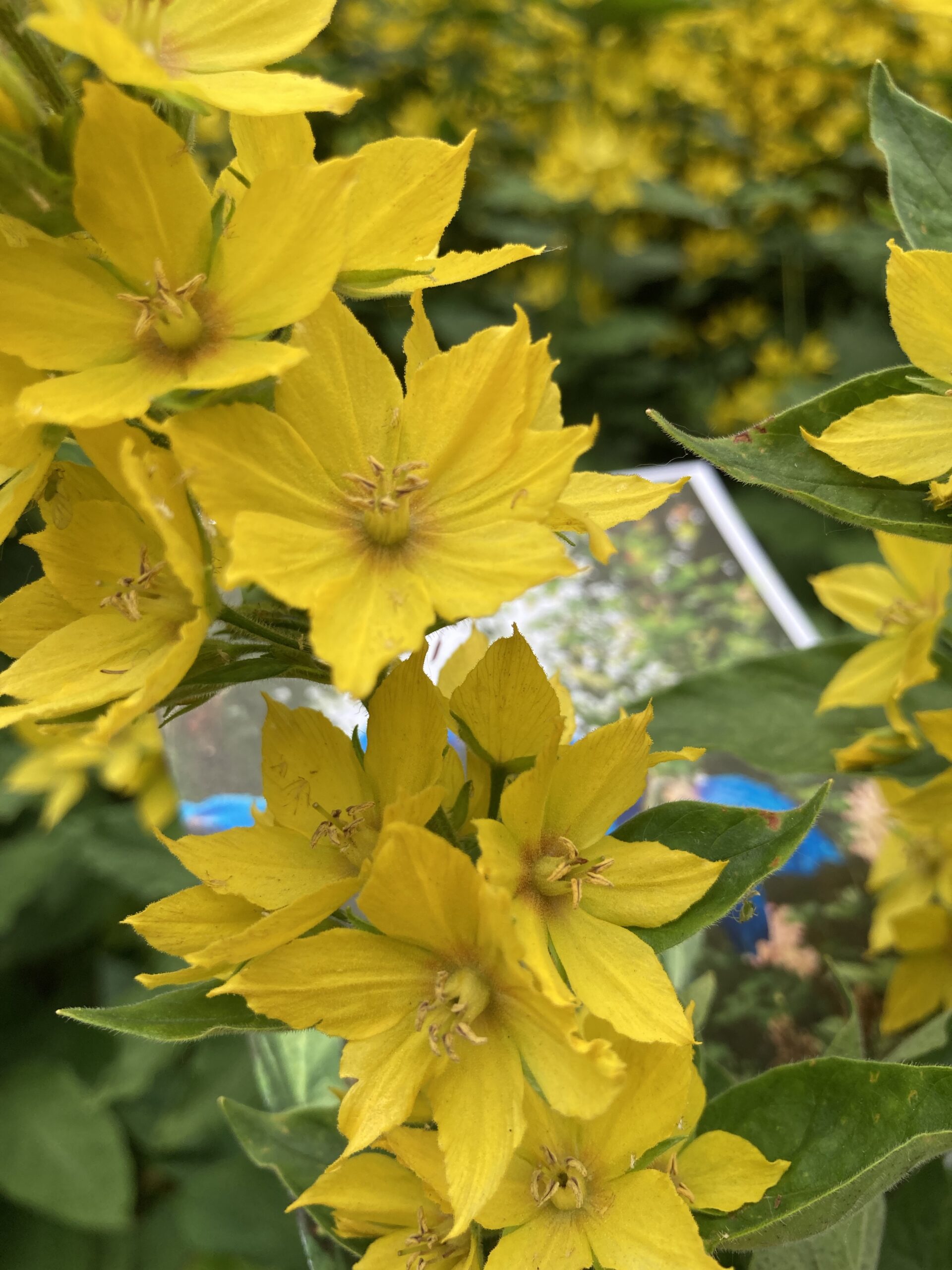 |
This is the understanding of what I was looking for that I had in mind when searching for examples:
Needle: conifers. These were simple! It was fun to learn that they are leaves!
Connation: fusion of similar organs. This flowers petals were fused together in this flower! There were lots of flowers that had this characteristic, such as bluebells that we see all around Alaska.
Actinomorphic: radially symmetrical. This one was easy! Nice to know the term for this.
Diadelphous: stamen are fused together by filaments. I knew exactly what I was looking for, something that looked like about 9 or so stamens of the same height bunched together and fused at the same base, and one longer stamen also fused. I couldn’t get a good enough peek at the stamen of most flowers since I couldn’t dissect them, so this is the picture I grabbed that seems almost diadelphous, though I understand if I don’t get full credit on this one! I think my picture depicting adnation looks more similar to a diadelphous stamen fusion.
Silique: long, narrow seedpods splitting in the middle. I searched far and wide, but the garden did not have examples of this, though I hope I am correct in what I did find! This seems not quite long and narrow enough to qualify as a silique, but I think I am close. It is over two times as long as it is wide! I was mostly looking for the possibility to open by the sutures at either margin.
Inferior ovary: ovary below attachments of petals, sepals, and stamens. I never noticed this about some flowers so its nice that I can keep an eye out now.
Palmate Venation: several main veins radiating outwards from the base of the leaf. Here is my hand next to the plant for size!
Adnation: dissimilar organs fused together. I looked for a member of the Laminaceae family, that typically have stamens fused to their petals, for this one. It helped me recognize the laminaceae family!
Porate Anther Dehiscence: the anther contains pores to release its contents (pollen). To be honest I wasn’t sure what this would look like using my naked eye, especially since I couldn’t dissect or rip apart any of these flowers in the garden and put them under a heavy duty microscope. Would appreciate any tips on how to identify this type of anther with a naked eye, or any accompanying characteristics porate anthers have!
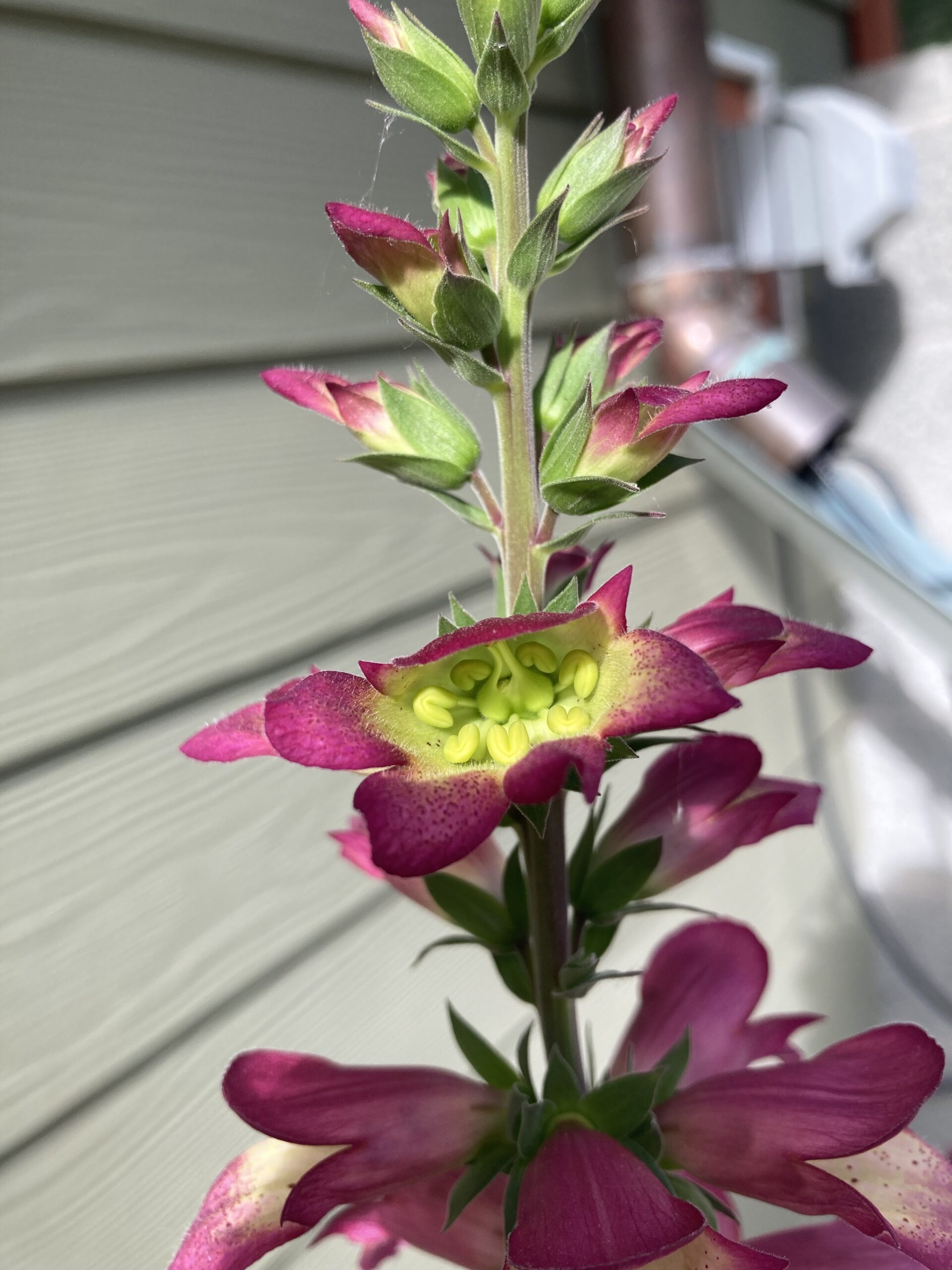
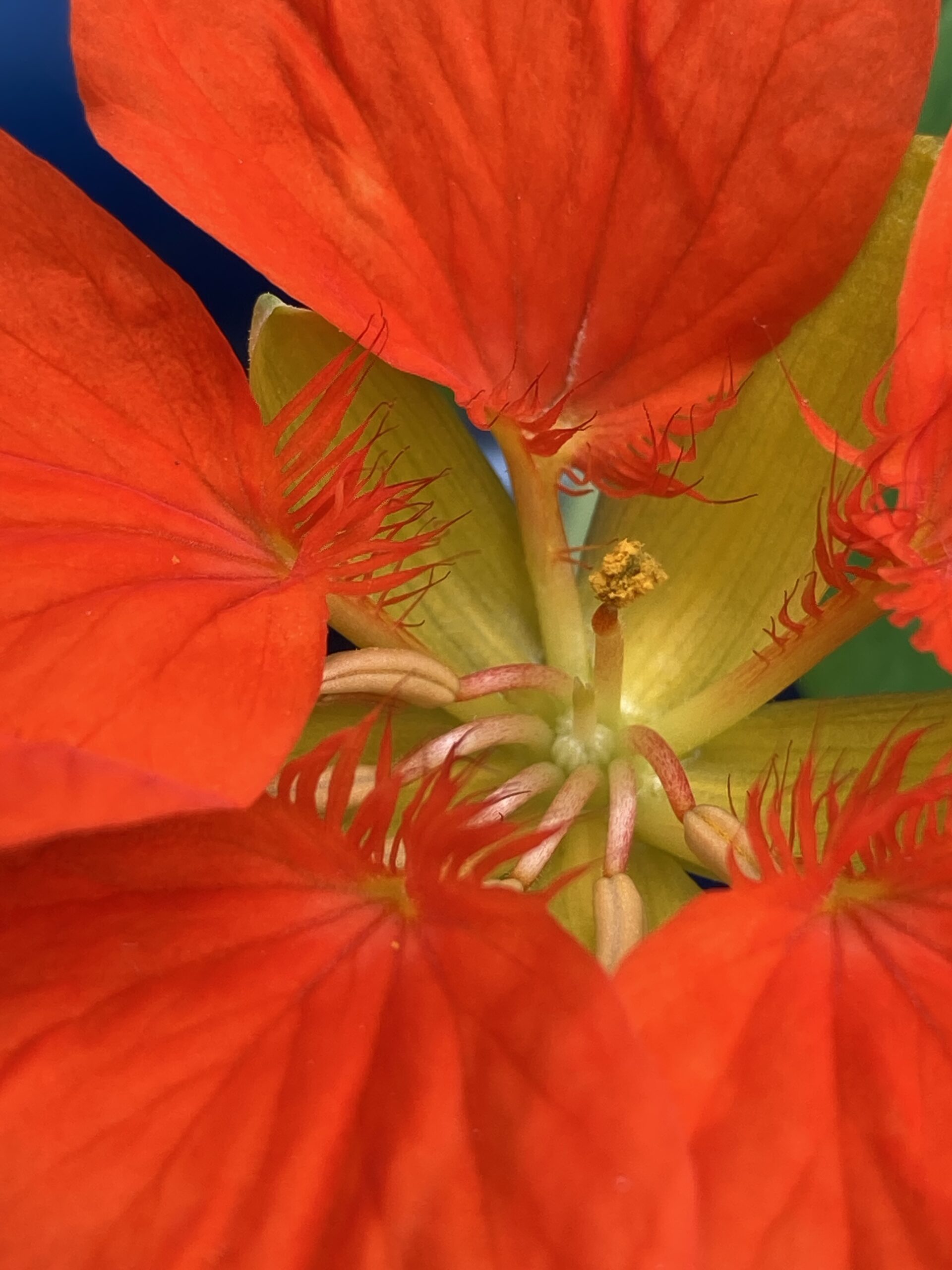
Here are some extra fun plants I saw 🙂 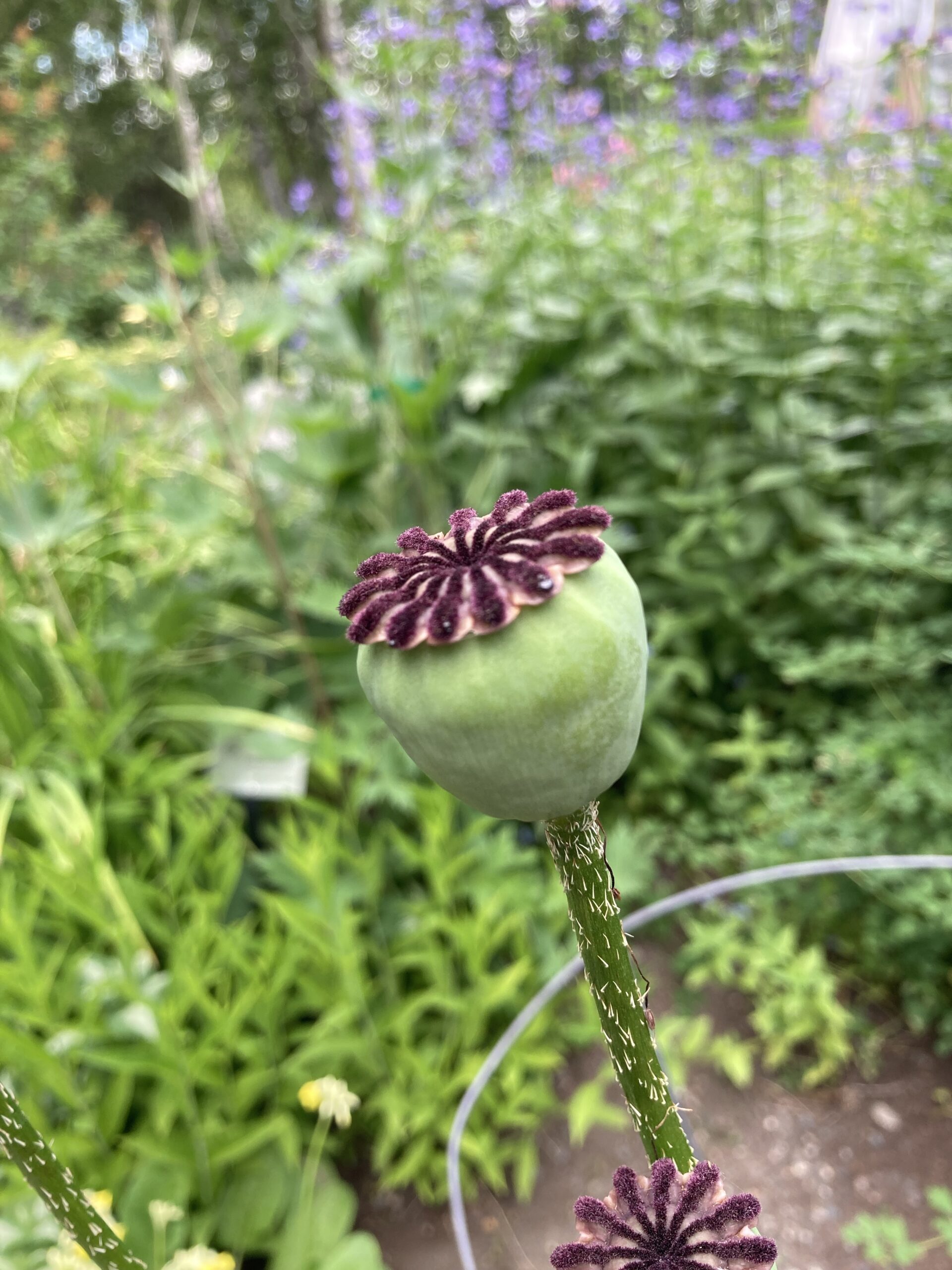

Leave a Reply