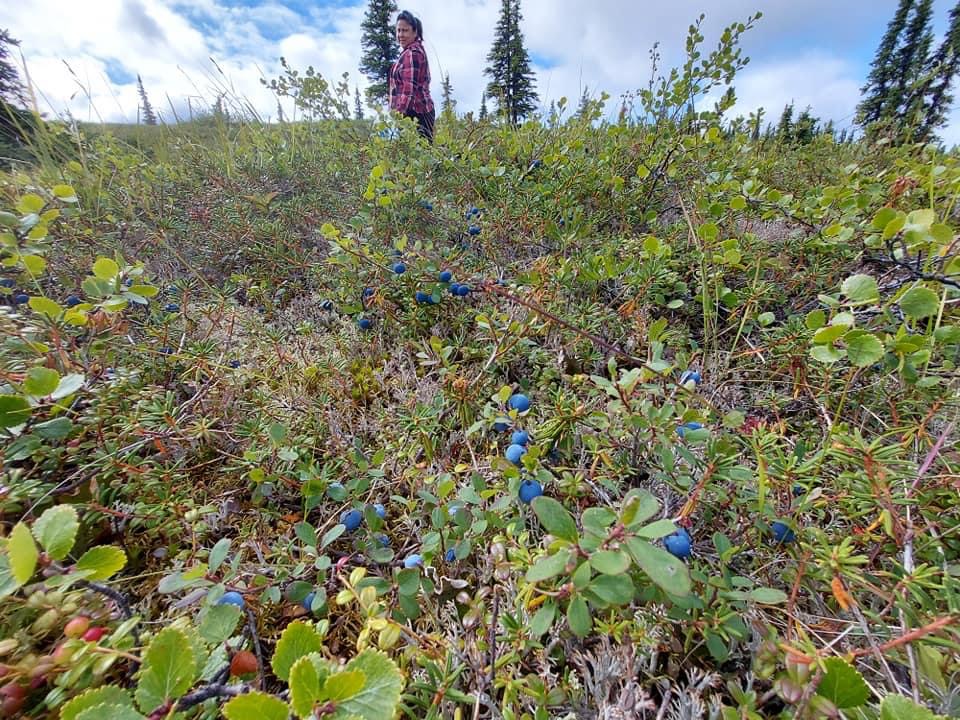
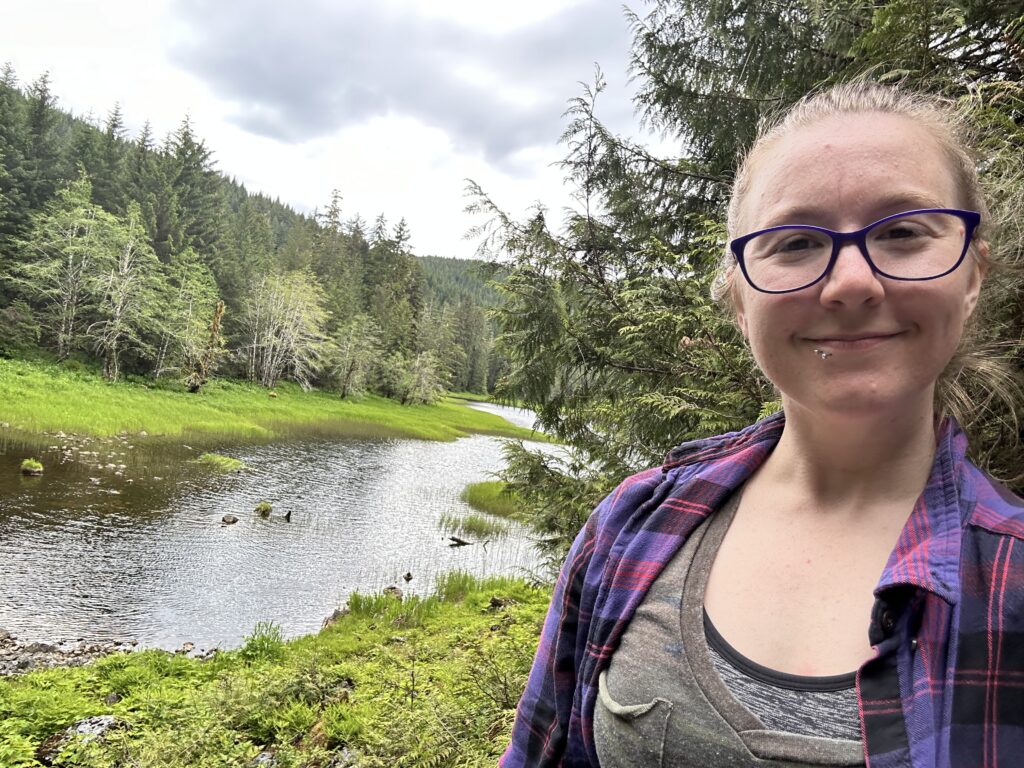
My name is Stacy Brottem. I live in Fairbanks with my husband. Our two daughters have left the nest so after work we enjoy camping, gardening, picking berries and watching movies together. I am excited to take this class and learn more about the plants I enjoy looking at. I don’t forage for wild plants other than berries because I’m not sure what to harvest or when. I once ate fiddleheads, and I was so sick!! We use the berries that we pick to make jams and wines. I hope we have a wonderful four weeks!!
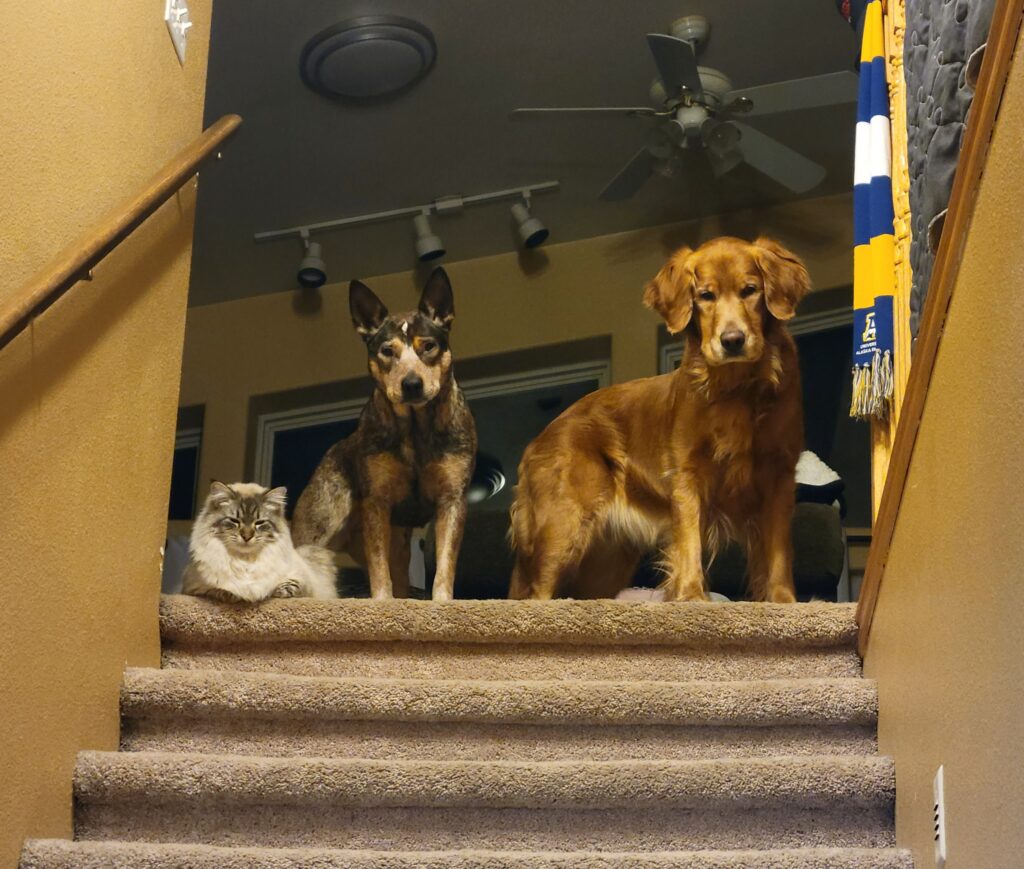
Hello Everyone! My name is Emma. I moved to Fairbanks a little over 2 years ago, after earning my B.S. in Chemistry (with a concentration in Biochemistry) and French from the University of Portland. I am currently a non-degree seeking student with UAF but hope to be enrolled in a Master’s program this Spring. For employment, I work with a permafrost researcher at UAF as a student assistant, processing permafrost cores from all over Alaska and collecting water samples from Poker Flat Research Range. I also have three fluffs that I love dearly (2 dogs, 1 cat) and photograph constantly.
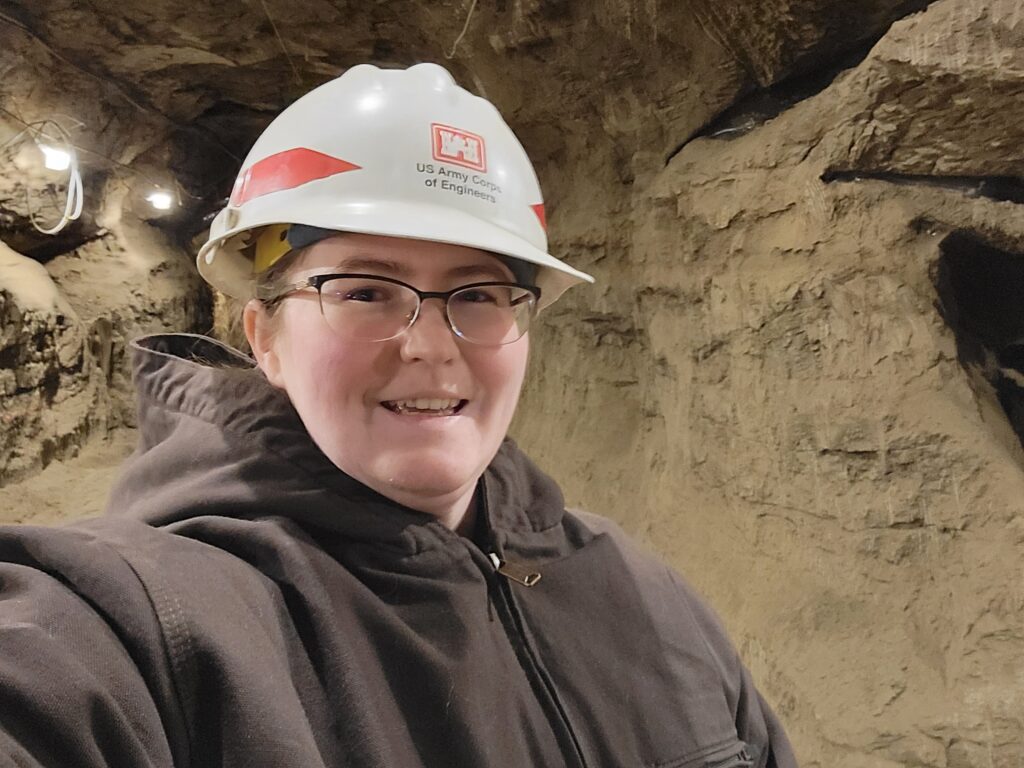
Myself at the Fox Permafrost TunnelLeft to right: Soot, Mila (Red Heeler), Mae (Golden Retriever)
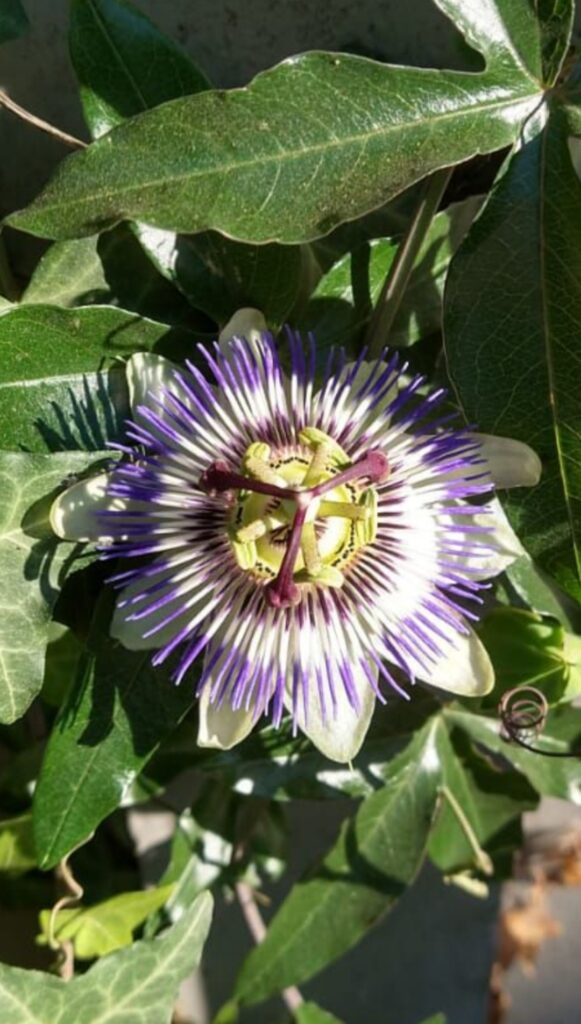
My botany experience is…limited. I would not characterize myself as a forager or as one who has a “green thumb” (I have killed plants before…). However, I have picked blackberries, blueberries, and even cloud berries, which I was able to taste for the first time last summer thanks to my colleagues and now I can’t wait for picking season. Our household is also trying a small garden for the summer and hopefully we will manage to get some produce out of it. During fieldwork, or even just walking around, I encounter interesting plants/fungi and wonder what they are but haven’t really take the time to identify them. Case in point, the following image is of an unidentified plant I noticed after moving to Alaska:
What really piqued my interest in botany was the Elementary SEM (Scanning Electron Microscopy) course last Spring. For my final project, I decided to image some of the ingredients in a family recipe, which includes fruits like pineapple and banana. (Please click here to see the PDF of the presentation and images taken on the SEM. The file was too large to upload…I also think there is also a poster hanging on the first floor of Reichardt). The SEM images revealed some interesting structures I had never seen before or knew existed! Thanks to a certain amazing professor, I was able to label some of these structures but I wanted to learn more and gain confidence in identifying plant morphology. Thus, I was inspired to take this class. 🙂
I plan to use a combination of my smartphone and a USB microscope for the microscope set-up but all the pieces have not arrived yet (and thus do not have a picture of it).
The more I learn and think about plants, the cooler they become and the harder it is to pick just one favorite. I like Irises for their bold purple colors. Snapdragons have a unique shape, cool colors and “dragon” in their (common) name. Fireweed is cool for its striking red color and its link to the duration of summer in Alaska. I think the coloring and pattern of birch bark is gorgeous and I want to make so many crafts out of it. I like Asian lilies for the same reason my mom does–they smell amazing! But I think I have to highlight the pineapple and the banana because they are the most recent impetus for my interest in botany. Plus, discovering how pineapples grew just looks…not even close to how I thought it would grow and I find it a tad ridiculous:
“A pineapple plant growing in the middle of a field. Pineapple tropical fruit.”
Hello! My name is Bree and I am a senior studying Wildlife Biology and Conservation. I am currently working on a project for the summer down on Prince of Wales Island in SE Alaska monitoring large mammals including wolves, black bears, and deer! It is my second year on this project so I was very excited to come down here while taking this course to learn more about the plants I have been bushwhacking through. When it comes to what my botanical journey has been like up to this point I can say that I have always had a passion for learning about the plants around me, especially when I am traveling to new places! My favorite plant that I have found while studying abroad is the Mimosa pudica, commonly known as the “touch-me-not” plant. I found this plant in Belize, and after you touch it, the leaves fold inward, reopening a few minutes later. So cool!!
I left my microscope back in Fairbanks so I ordered a cheap one from Amazon, it will be here Friday! I’m very excited to see everyone’s observations from all the different places we’re located!
I am originally from Philadelphia, Pa (Go Birds!) and it will be two years since I moved to Fairbanks in October. I am the complete opposite of a green thumb and have managed to kill a cactus. This year I am attempting to keep a geranium and some petunias alive. [Fingers crossed]. If I am successful with them, I will move on to a greenhouse to grow vegetables (peppers, chilis, corn, potatoes, green beans).
I already posses a BA in Anthropology with a minor in Biology from Penn State. I am taking this course to learn more about the flora of Alaska. When I moved to Fairbanks, I bought a house on 5 acres. I have not ventured out fully on the property yet [the mosquitoes love biting me even with bug spray] and I am curious to see what flora there is. Coming from a more urbanized area, hunting/foraging was not something I have ever done, thought I would love to forage for some berries. If anyone in Fairbanks forages for berries and would not mind me tagging along, let me know.
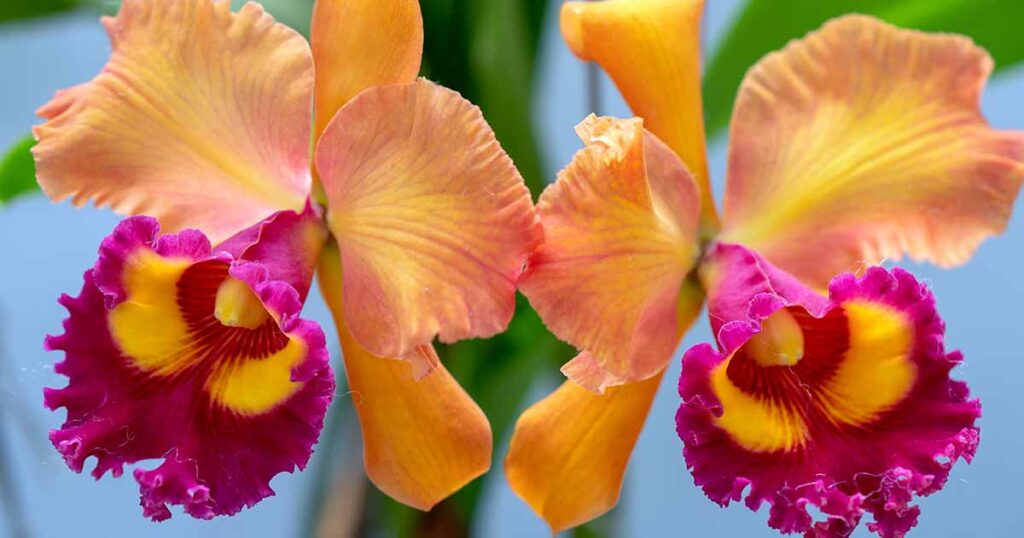
My favorite flower is the Cattleya orchids. They come in a variety of colors [blue, pink, yellow, white, purple]. For this class, I will be using both my iPhone and Nikon DSLR camera for my observations.
Hi all, my name is Nivedita Menon, and I am a current Wildlife Biology student at UAF. I am currently taking this class from California, so I am excited to share some of the native flora I grew up with you all. As my major may imply, I am more interested in fauna than flora, but I do have a healthy appreciation for all living things. I am not a hunter or forager, but I have some experience with gardening, and I enjoy spending time in nature and taking in all of the unique species that exist around me. Honestly, my interest in plants is more through association, since my sister is currently in the process of getting a PhD in genetics, with a focus on plant genetics. Seeing her interest in plants has made me more curious about them, and I am looking forward to telling her about the things I will be learning in this class.
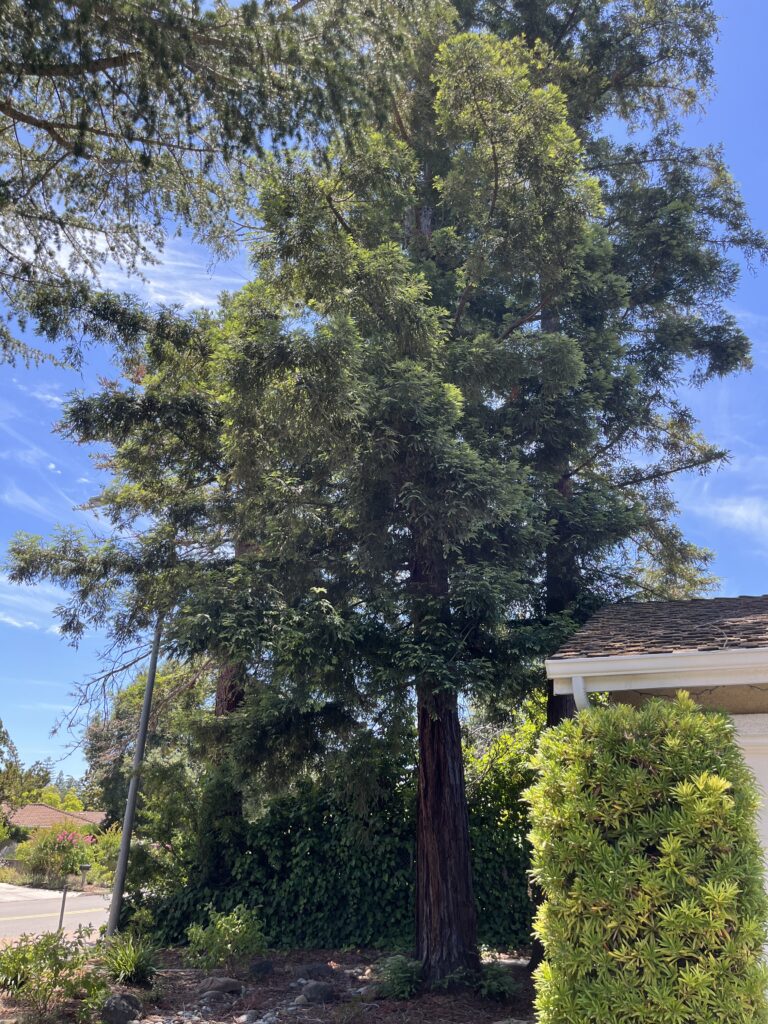
My favorite plant is the coastal redwood (Sequoia sempervirens). It is native to the area of California that I grew up in, and I spent a lot of my childhood climbing these trees, much to the terror of my poor mom, considering that they are the tallest living trees in the world. I think they are super cool trees, and I am really grateful that I get to live in a place with them. This is a photo of the three coastal redwoods that are planted in our front yard.
Hello! My name is Delainey Zock, and I’ll be going into my senior year as a Wildlife Biology major. I’m taking this class from Anchorgae, Alaska, where I’m spending the summer and soaking up all the mountain time I can! I’m looking forward to learning more about our unique Alaska plants in this class. My favorite plant is probably Arctic Lupine (Lupinus arcticus). I think the flowers are beautiful and I love that it’s an alpine plant.
Hello, class! My name is Rebecca, and I am an interdisciplinary science major exploring my options for degree completion somewhere in the realm of biology. Having been raised by a master gardener mother, I have always had a deep connection to green spaces. Whether cultivated or wild — I enjoy all of it, though I have not done much of my own research or planning into keeping a garden. These days, I am much more interested in the concept of permaculture and creating inviting spaces which need very little maintenance and continue to serve the creatures who already depend on finding resources in my yard.
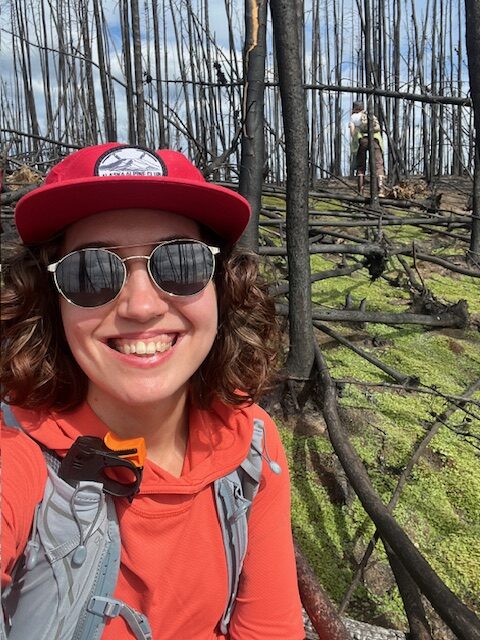
My interest in formally studying botany truthfully comes from not a plant at all, but a mushroom. My mycological curiosity went from a passing interest to full-blown fascination last Summer after taking a weekend mushroom identification class through OLLI. From there, I moved into a biology track that Fall and just finished Ethnomycology this Spring semester. Two weeks ago, I had the opportunity to go on a mushroom foray with Dr. Gary Laursen in Delta Junction to search a burn area for morels, and it was incredible. I came home with just over 4 pounds of mushrooms and spent the rest of the weekend dehydrating them for storage. Now I would like to learn everything I can about foraging and Alaskan flora.
I am planning to use the macro feature on my phone to take pictures, and potentially figure out rigging with a loupe I picked up for examining mushrooms closely. My favorite Alaskan plant is fireweed, even if its invasiveness is pesky to some people. I love how beautiful the flowers are and the deep red it changes to in the fall. Looking forward to meeting everyone!
Good Morning from Seward, Alaska! I’m excited to be joining this class and all of you on this learning journey. It has been a VERY LONG TIME since I participated an introductory level Biology course and my first related specifically to Alaska flora. I was accepted into the UAF Ethnobotany program and this class is a requirement for that program. I am looking forward to the in-depth learning we’re about to engage in.
I came to Alaska in 1983 as a young teacher. My goals at that time were to experience life and to teach in at least two different cultures/rural communities before settling into work and life on the Kenai Peninsula. What a journey it’s been. I retired from classroom teaching 19 years ago, but my love of living, working, and exploring in and around Alaska continues. I’ve wanted to experience learning through the Ethnobotany lens for quite awhile and the time is now right. So, here I am!
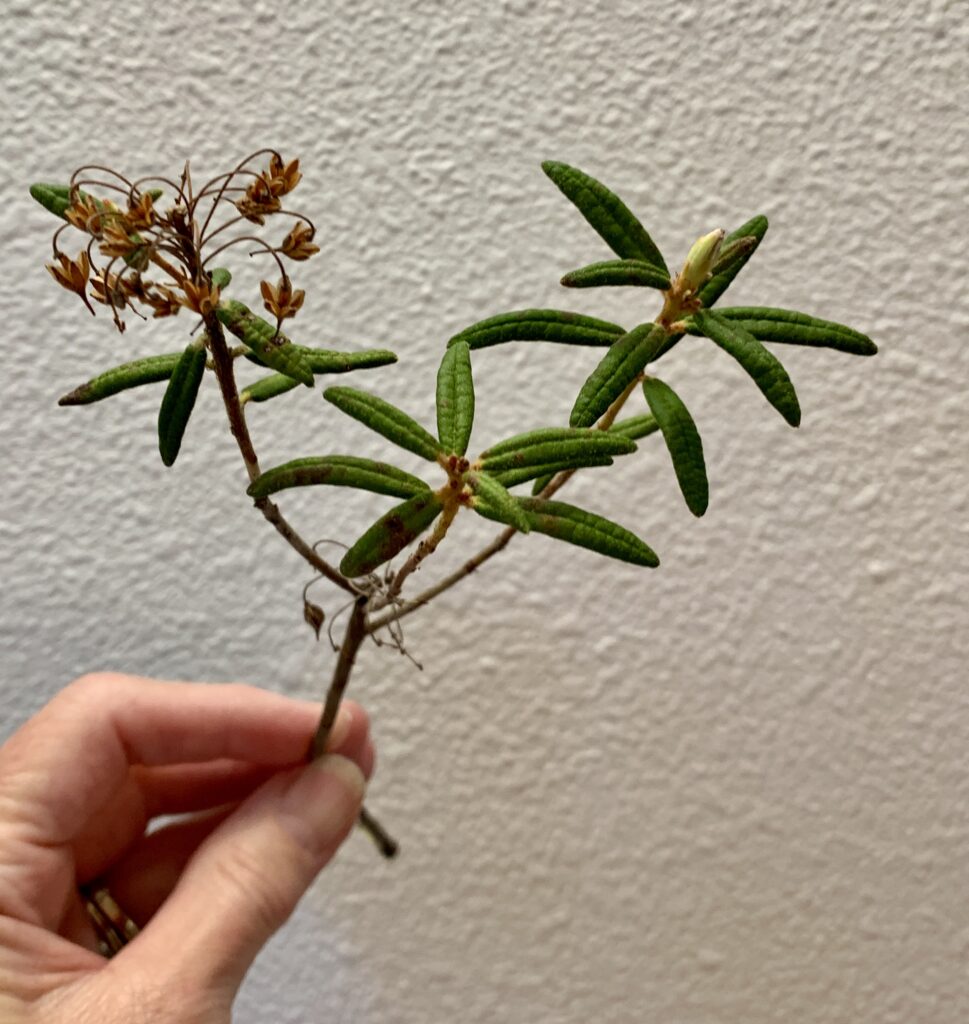
Labrador tea has been a favorite plant of mine since my college days of guiding Summer canoe trips for youth in Canada. I also chose to focus my first plant profile project for EBOT 100 on Labrador tea. I’m attaching a photo of some Labrador tea that I picked two weeks back while working in the village of Chistochina.
My foraging/harvesting of wild plants has been limited to various berry species and Labrador tea. I do have a fairly decent-sized garden which we enjoy harvesting, eating fresh, and preserving for the Winter months ahead.
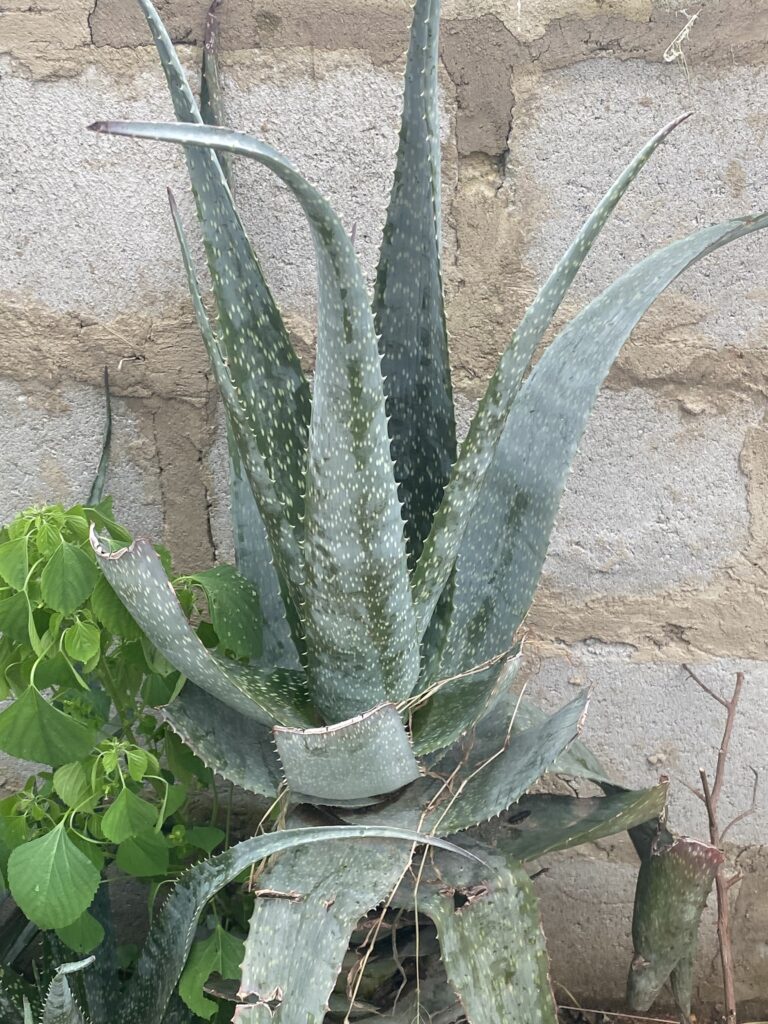
Hello Everyone, my name is Anu and I have been a part of this course since 2021 throughout the quarantine. I began this process of diving deeper into plant life because I am deeply invested in using plants and herbs for medicinal uses, such as making teas, oils, and tinctures, and wanted some more background in understanding everything related to plants from a scientific perspective. What I have learned and discovered throughout this journey has been incredible and impacted me for the better. Throughout this ethnobotany journey, I lost one of my close friends and my grandma who both enjoyed plants. So this specific course has opened my heart to reconnect with the plants from a lens of mourning, grievance, and also rebirth. I have been enjoying this process since traveling to Nigeria for the celebration of my grandmother’s passing. Reconnecting with the land after 8 years of not being here has revealed to me how much I want to know about each region and the states in which most of the useful, edible, and medicinal plants reside. We have a backyard with a lot of active plant life, as well as farmland we are aiming to begin planting on. So far, I have watched this journey of mine begin from the comfort of my own room to now in a different country applying this knowledge from the lens of a curious child. I cannot complain! My current and all-time favorite plant is aloe vera as it has always been very helpful for my dry skin, psoriasis I experience, and has personal connections to my grandmother. We have decided to plant some by her grave per my request of me. Here is a picture of an aloe vera plant that was near my grandmother’s grave.
Hello, I apologize for the tardiness of my introduction. My name is Hongkai Chen, although most people prefer to call me Kyle. I grow up in Singapore, a tropical country where the weather remains hot all year round.
To be honest, I had little interest in planetary climates or flora until I left my home country. Upon my arrival in Beijing during the winter season, I was immediately struck by the stark contrast between the tropical region and other climate zones. Accustomed to Singapore’s perpetual greenery, nurtured by the accumulated heat, I had naively assumed that the same verdant landscape prevailed everywhere else on the planet.
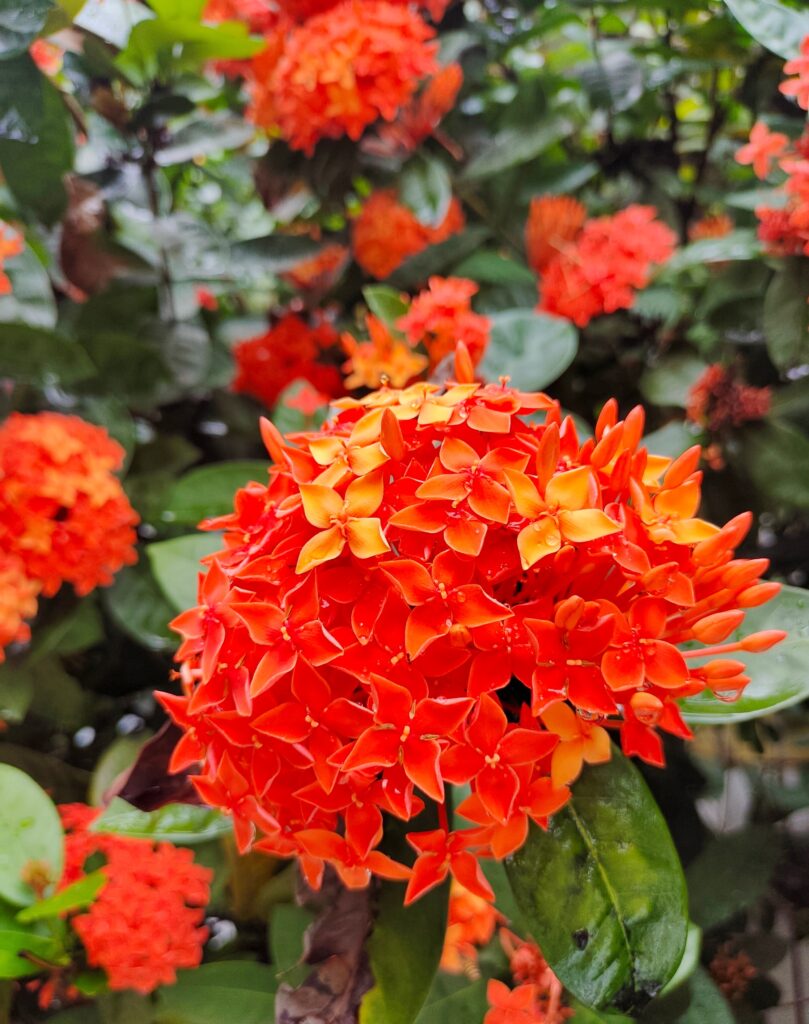
One of my favorite flowers is the Ixora, a species that is quite common in Singapore.